
Working from home has become a lasting shift rather than a temporary solution, which makes the design and function of interior workspaces increasingly important. The way a home office is arranged can directly influence productivity, mental clarity, and overall comfort throughout the workday. Interior environments that are poorly lit, cluttered, or uncomfortable often lead to fatigue, distraction, and reduced efficiency. By contrast, a thoughtfully designed workspace can support focus, creativity, and sustained performance.
Interior home working tips are most effective when they consider both practical needs and the psychological impact of the space. Elements such as lighting, organization, furniture placement, and color all shape how a room feels and functions. When these elements work together, they create a sense of purpose that helps establish healthy work routines. Over time, these intentional design choices make it easier to stay organized, manage stress, and maintain motivation while working from home.
Beyond productivity, improving an interior workspace also supports long-term well-being. A space that encourages proper posture, minimizes distractions, and feels visually balanced can reduce physical strain and mental burnout. As work-from-home schedules become more demanding, the interior environment plays a greater role in sustaining energy and focus. The following sections explore practical, interior-focused strategies that help transform workspaces into areas that truly support daily professional demands.
Improving Lighting for Productivity
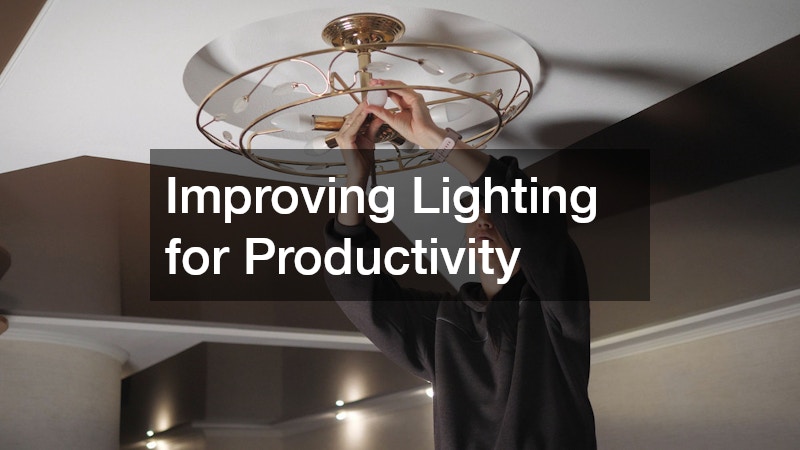
Lighting is one of the most influential elements in any interior workspace, yet it is often overlooked. Poor lighting can cause eye strain, headaches, and difficulty concentrating, especially during long work sessions. Natural light is ideal for maintaining alertness and supporting a healthy daily rhythm, but artificial lighting is equally important for consistency throughout the day. A combination of ambient, task, and accent lighting helps create a balanced environment that adapts to different tasks and times.
Strategically placed lighting also enhances the overall feel of the workspace, making it appear more open and inviting. Adjustable desk lamps, properly positioned overhead fixtures, and bulbs with appropriate color temperatures all contribute to visual comfort. Warmer tones can be relaxing, while cooler tones often support focus and clarity. When lighting is tailored to the specific needs of the workspace, it becomes easier to maintain productivity without unnecessary fatigue.
In more specific scenarios, improving lighting may require clearing out excess items that block windows or limit fixture placement, which is where a dumpster service can be helpful during larger cleanouts or workspace renovations. Removing clutter allows natural light to flow more freely and creates room for better lighting arrangements. Once the space is cleared, lighting upgrades can be implemented more effectively. This combination of decluttering and strategic lighting creates a brighter, more efficient home work environment.
Choosing Functional and Comfortable Furniture
Furniture plays a critical role in shaping both comfort and efficiency in a home workspace. Chairs, desks, and storage solutions should support the body while accommodating daily work habits. Furniture that is poorly sized or lacks support can lead to discomfort, reduced concentration, and long-term physical strain. Functional furniture helps streamline tasks by keeping essential tools within reach and minimizing unnecessary movement.
Comfortable furniture also contributes to mental focus by reducing physical distractions. When seating supports proper posture and desks are positioned at appropriate heights, it becomes easier to maintain attention on work rather than discomfort. Multi-functional furniture, such as desks with built-in storage or adjustable seating, is especially valuable in home environments where space may be limited. These choices help create a workspace that adapts to changing needs throughout the day.
From a more specific perspective, furniture updates often work best when paired with cohesive interior finishes, which is where an interior painter can add value during workspace improvements. Fresh, well-chosen wall colors can visually define the work area and complement furniture selections. Neutral or calming tones enhance the sense of comfort while maintaining a professional appearance. This coordination between furniture and finishes helps create a workspace that feels intentional, polished, and supportive of daily work demands.
Organizing Work Areas for Better Focus
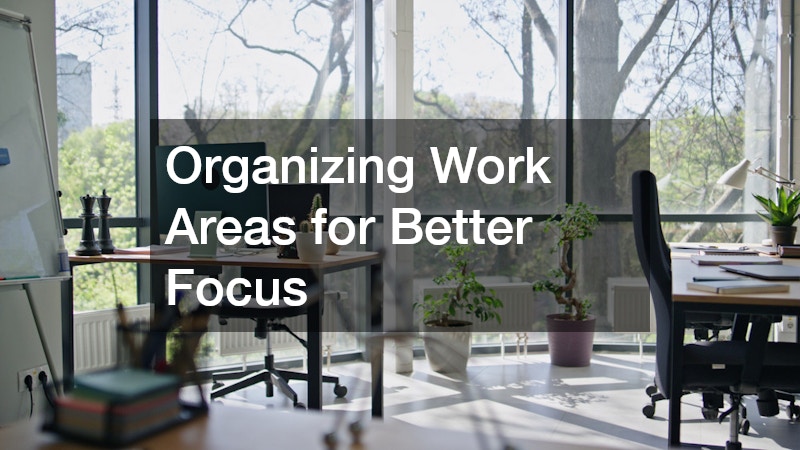
Organization is essential for maintaining clarity and efficiency in a home workspace. Disorganized environments can lead to wasted time, increased stress, and difficulty concentrating on tasks. Clear surfaces, labeled storage, and intentional layouts help create a sense of order that supports focus. When work materials are easy to access and distractions are minimized, productivity naturally improves.
An organized workspace also makes it easier to maintain consistent routines. Knowing where everything belongs reduces decision fatigue and helps establish a smoother workflow. Storage solutions such as shelving, drawers, and file organizers allow the workspace to remain tidy without sacrificing accessibility. Over time, consistent organization reinforces positive work habits and supports sustained concentration.
On a more detailed level, managing light and privacy plays a role in organization, and interior shutters provide a practical solution for controlling brightness and visual distractions. Adjustable shutters allow users to regulate incoming light while maintaining a clean, structured appearance. They also help define boundaries between work areas and the outside environment. By reducing glare and interruptions, they support a focused, organized workspace that remains visually calm and functional throughout the day.
Reducing Noise and Visual Distractions
Noise and visual distractions can significantly interfere with concentration when working from home. Sounds from other rooms, outdoor activity, or shared living spaces often break focus and make it difficult to stay engaged with tasks. Visually busy environments can be just as disruptive, pulling attention away from work and increasing mental fatigue. Creating a quieter, more visually controlled workspace helps promote sustained focus and reduces stress throughout the day.
Interior design choices play an important role in minimizing these disruptions. Soft furnishings, area rugs, and sound-absorbing materials can help reduce echo and dampen noise. Strategic furniture placement can also act as a buffer between the workspace and high-traffic areas of the home. Visually, reducing excess décor and keeping sightlines clean helps the workspace feel calmer and more intentional.
In more specific situations, reducing distractions may involve repositioning the workspace entirely, which is where moving services can provide practical support. Relocating furniture and equipment allows homeowners to establish work areas in quieter parts of the home without added strain. This flexibility makes it easier to adapt the workspace as needs change. By thoughtfully adjusting both layout and location, it becomes possible to create an environment that supports deeper focus and productivity.
Using Color to Support Concentration
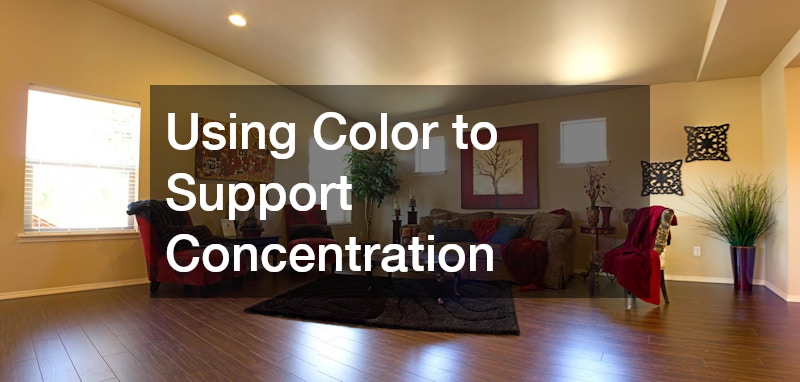
Color has a strong influence on mood, energy, and mental clarity, making it an important consideration in home workspaces. Certain hues are known to promote calmness and focus, while others can feel overstimulating or distracting. Soft neutrals, muted blues, and gentle greens are commonly used to create balanced environments that encourage concentration. When color choices are intentional, they help shape a workspace that feels both comfortable and purposeful.
Consistent color palettes also contribute to visual harmony, which reduces cognitive overload. When walls, furniture, and décor work together, the space feels more cohesive and easier to navigate mentally. This visual simplicity allows the mind to focus on tasks rather than processing unnecessary visual information. Over time, a well-chosen color scheme can make the workspace feel more inviting and easier to work in for extended periods.
From a more detailed perspective, any color updates should be coordinated with safety features, making a fire alarm inspection an important step during interior changes. Ensuring that alarms remain visible and unobstructed preserves both functionality and compliance. Thoughtful planning allows color improvements to enhance the space without compromising safety. This balance ensures the workspace remains productive, visually appealing, and secure.
Maximizing Space in Small Interiors
Small interior workspaces require planning to remain functional and comfortable. Using vertical storage, multipurpose furniture, and streamlined layouts can help maximize available space without making the area feel cramped. When every element serves a clear purpose, the workspace feels more open and efficient. Thoughtful space management also reduces visual clutter, which supports focus and ease of movement throughout the day.
In more specific situations, space limitations may reveal hidden issues such as moisture buildup or poor air quality, making a mold remediation service an important consideration during interior improvements. Addressing these concerns not only protects health but also prevents long-term damage that can further limit usable space. Once underlying issues are resolved, the area can be reorganized more effectively with confidence. This creates a safer, healthier environment that fully supports productive home working.
Incorporating Ergonomic Design Principles
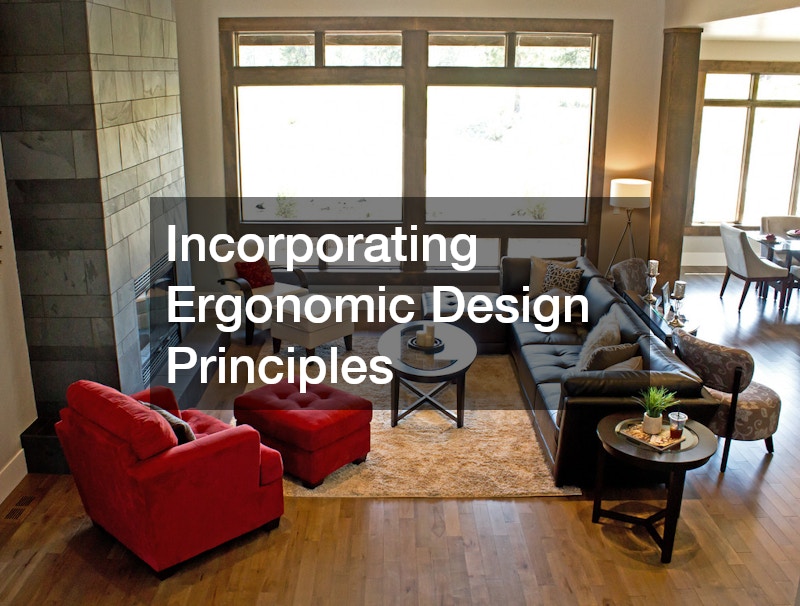
Ergonomic design focuses on creating a workspace that supports the body’s natural movements and reduces physical strain. Proper desk height, supportive seating, and monitor placement all contribute to comfort during extended work periods. When ergonomics are prioritized, users experience less fatigue and are better able to maintain consistent productivity. These principles also encourage healthier posture and long-term well-being.
On a more detailed level, ergonomics extends beyond furniture to include overall environmental quality, such as access to clean drinking water through a water filtration system. Staying properly hydrated supports concentration, energy levels, and physical comfort throughout the workday. Integrating ergonomic design with wellness-focused upgrades creates a more holistic work environment. This approach ensures the workspace supports both performance and personal health.
Maintaining Clean and Clutter-Free Surfaces
Clean, uncluttered surfaces are essential for maintaining a professional and focused home work environment. Regular cleaning routines help prevent distractions and create a sense of order that supports productivity. Clear desks and organized storage also make it easier to transition into a work mindset at the start of each day. A tidy space often leads to clearer thinking and improved efficiency.
In more specific terms, maintaining cleanliness may involve addressing underlying home systems that impact interior conditions, such as scheduling septic tank pumping to prevent backups or odors. Proactive maintenance helps protect interior surfaces and ensures the workspace remains comfortable and sanitary. By managing both visible clutter and hidden systems, homeowners can maintain a consistently clean and functional work environment. This level of upkeep supports long-term usability and peace of mind.
Balancing Comfort With Professional Style
A successful home workspace balances comfort with a polished, professional appearance. When a space feels inviting yet structured, it becomes easier to stay motivated and focused throughout the day. Soft textures, coordinated finishes, and intentional décor choices can make a workspace feel comfortable without appearing casual or distracting. This balance helps reinforce a productive mindset while still allowing the space to feel like part of the home.
From a more specific standpoint, flooring plays a key role in achieving this balance, and flooring services can help ensure surfaces are both durable and visually appealing. The right flooring material supports comfort underfoot while contributing to a clean, professional look. Well-installed floors also reduce noise and are easier to maintain, which further enhances the workspace. Together, these elements create an environment that feels refined without sacrificing comfort.
Creating a Consistent Daily Work Environment
Consistency is essential for maintaining focus and efficiency when working from home. A dedicated workspace with a stable layout helps signal the start and end of the workday, making it easier to establish routines. When the environment remains consistent, there is less mental effort spent adjusting to the space, allowing more energy to be directed toward work tasks. This reliability supports productivity over time.
On a more detailed level, consistency can be reinforced through material choices, such as selecting surfaces from a laminate flooring store that offer a uniform appearance and long-term durability. Laminate flooring provides a cohesive look that holds up well to daily use while maintaining a professional aesthetic. Its ease of maintenance also helps preserve the workspace’s appearance over time. These qualities contribute to an environment that feels dependable and well-maintained.
Implementing Your Interior Changes
Improving an interior home workspace is an ongoing process that combines thoughtful design, organization, and functionality. By making intentional choices around lighting, layout, ergonomics, and cleanliness, it becomes possible to create a space that supports both productivity and personal well-being. Each adjustment, no matter how small, plays a role in shaping an environment that encourages focus and efficiency.
A well-designed home work environment also supports balance, helping separate professional responsibilities from personal life. When the workspace is comfortable, consistent, and purpose-driven, it becomes easier to maintain healthy routines and sustained motivation. Investing time and effort into improving interior workspaces ultimately leads to better performance, reduced stress, and a more enjoyable work-from-home experience.