When embarking on a remodeling project, homeowners often focus on aesthetics and layout without considering the underlying factors that can impact their comfort and energy bills. Residential insulation is a critical component that can greatly influence the efficiency of your home. Insulating your home properly can effectively reduce energy consumption, lowering utility bills in the long run.
Insulation serves as a barrier, preventing heat from escaping in the winter and keeping unwanted heat out during the summer months. Without effective insulation, a significant amount of energy is wasted as heating and cooling systems work overtime to maintain a consistent temperature. This inefficiency can lead to higher expenses and a less comfortable living environment.
Beyond energy savings, insulation contributes to a more comfortable and healthier home environment. Proper insulation reduces noise pollution from outside, creating a quieter indoor atmosphere. Additionally, it can help minimize the infiltration of allergens and pollutants, leading to improved indoor air quality.
Types of Insulation Materials
When considering insulation for your home, it’s important to understand the different types of materials available. Common insulation materials include fiberglass, cellulose, and foam. Each material comes with its own set of advantages and is suited to various areas of the house.
Fiberglass insulation is one of the most widely used materials due to its affordability and ease of installation. It’s made from fine glass fibers and can be installed as batts, rolls, or loose-fill. Fiberglass is an excellent choice for areas that require even coverage over large spaces, such as attics and walls.
Cellulose insulation is made from recycled paper products and is treated with a fire-retardant substance. It is particularly effective at filling small gaps and cracks, making it ideal for retrofitting older homes. Foam insulation, available as rigid boards or spray applications, offers superior thermal resistance and is perfect for tight spaces where other materials can’t reach.
Benefits of Insulating During Remodeling
Remodeling is an opportune time to update or install new insulation, as walls and floors are already accessible. Adding insulation during this process can drastically improve the home’s energy performance without the need for future disruptive work. This strategic integration during remodeling can significantly enhance both comfort and resale value.
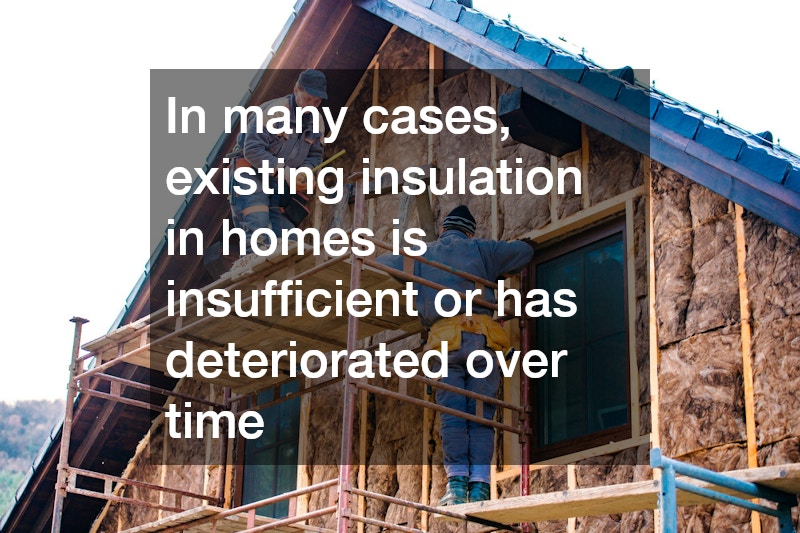
In many cases, existing insulation in homes is insufficient or has deteriorated over time. Remodeling offers the chance to upgrade to more efficient materials or to insulate previously uninsulated areas. Homeowners can benefit from newly opened areas, allowing them to address insulation comprehensively rather than piecemeal.
Insulating during remodeling not only saves energy but also reduces the carbon footprint of the home. Homeowners are increasingly looking for ways to minimize their environmental impact. By ensuring proper insulation, they contribute positively to environmental efforts while also enjoying lower utility costs.
Cost Concerns and Financial Incentives
Understandably, homeowners may be concerned about the costs associated with insulating their residence. However, it’s critical to view this expenditure as an investment rather than an expense. While there are upfront costs, the long-term savings on heating and cooling bills can offset these initial expenses.
Moreover, many local and federal programs offer financial incentives for improving home energy efficiency. These incentives can significantly reduce the cost of purchasing and installing insulation. Homeowners should research available rebates, tax credits, and grants, which can make insulating during remodeling more affordable.
In addition to financial incentives, some utility companies offer discounted rates or credits to homes that achieve certain energy efficiency standards. By tapping into these opportunities, homeowners can maximize their savings while contributing to a greener, more sustainable future. Keeping energy efficiency in mind when planning a remodel can unlock these extra financial benefits, ultimately easing budget concerns.
Choosing the Right Insulation for Your Home
Selecting the appropriate type of insulation depends largely on the specific needs and conditions of your home. Factors such as climate, house design, and existing wall and roof structure all influence the choice of insulation materials. Consulting with a professional can provide valuable insights into which options will best meet your home’s requirements.
Professionals can perform energy assessments and provide recommendations based on current codes and energy efficiency goals. They may suggest combining different types of insulation to address varied needs within the house. For instance, a blend of spray foam and fiberglass might be used to ensure complete coverage and maximized thermal resistance.
Residential insulation is a key consideration in remodeling projects that shouldn’t be overlooked. By insulating during remodeling, homeowners can enhance comfort, reduce energy costs, and invest in their property’s future value. It’s a proactive step towards achieving a more efficient and sustainable living space.