
Maintaining a home throughout the year can feel like a never-ending task, but a well-structured seasonal checklist makes it much more manageable. Regular maintenance not only keeps your property safe and functional but also protects your investment, reduces repair costs, and prevents emergencies. From routine inspections to professional service appointments, taking a proactive approach ensures your home stays in top condition, no matter the season.
A successful home maintenance plan covers both indoor and outdoor areas, addressing everything from structural components to essential systems and utilities. This guide will walk you through key tasks to complete each season, offering practical tips and advice to keep your home efficient, safe, and comfortable year-round.
1. Inspect and Protect Your Roof Before Extreme Weather
our roof is your first line of defense against the elements, so inspecting it regularly is crucial. Seasonal checks can prevent minor issues from becoming major problems, especially before storms or winter freezes. Begin with a thorough visual inspection from the ground and, if safe, from a ladder, looking closely at shingles, flashing, gutters, and downspouts for any signs of wear. Look for cracked, curling, or missing shingles, rusted or loose flashing, sagging gutters, and any other irregularities that could allow water to penetrate. Pay special attention after heavy winds or hailstorms, as even small damage can worsen over time.
Tips for maintaining your roof include:
-
Cleaning gutters and downspouts to prevent water backup: Remove leaves, twigs, and other debris that can obstruct water flow, causing overflow that may damage siding, fascia, or the foundation. Consider installing gutter guards to reduce future buildup.
-
Checking for leaks in the attic or ceilings after heavy rain: Look for water stains, mold, or damp insulation. Even small drips can indicate a weak spot in your roof that could expand if left unaddressed.
-
Removing debris like branches or leaves that can trap moisture: Accumulated debris can accelerate shingle decay and promote algae or moss growth, which weakens the roofing material over time. Trim overhanging tree branches to reduce this risk.
-
Examining vent pipes, skylights, and chimneys for proper sealing: These areas are prone to leaks and often overlooked during routine checks. Resealing or replacing worn components can prevent water intrusion.
-
Checking for signs of animal activity: Birds, squirrels, and other pests can damage shingles, flashing, or insulation, so inspect for nests, droppings, or entry points.
When damage is detected or for routine preventive inspections, consulting a local roofing contractor can save you time and money. They have the expertise and equipment to identify subtle weaknesses that may not be visible to the untrained eye. A professional can suggest targeted repairs, recommend preventative treatments like roof coatings, and ensure your roof meets current safety and building standards. Regular professional inspections not only extend the life of your roof but also help prevent costly interior damage from leaks, including warped ceilings, mold growth, or damaged insulation. Scheduling inspections seasonally, particularly before extreme weather, is the best strategy to maintain a safe, long-lasting roof.

2. Prepare Your Heating and Cooling Systems
Efficient heating and cooling systems are essential not only for comfort but also for reducing energy costs and preventing expensive repairs. Preparing your HVAC system before the peak seasons—summer for cooling and winter for heating—ensures it operates smoothly when you need it most. Ignoring routine maintenance can lead to unexpected breakdowns, reduced efficiency, and higher utility bills.
For summer, scheduling air conditioner repair services ahead of the heat ensures that any worn components, refrigerant leaks, or electrical issues are addressed before temperatures soar. A comprehensive tune-up by a professional includes checking the compressor, condenser coils, evaporator coils, refrigerant levels, and electrical connections. Addressing minor problems early prevents them from escalating into costly repairs during the hottest months of the year.
In the winter, heating components such as furnaces, heat pumps, or boilers should be inspected to ensure safe and reliable operation. Look for irregular flame patterns, unusual noises, or inefficient heating output. Pre-season inspections can prevent disruptions and ensure your home remains warm and safe during freezing temperatures.
Other important steps for maintaining HVAC systems include:
-
Replacing or cleaning air filters monthly: Clogged filters restrict airflow, force your system to work harder, and reduce efficiency. High-quality filters also capture dust, pollen, and allergens, improving indoor air quality.
-
Inspecting ductwork for leaks, blockages, or excessive dust: Leaky ducts can waste energy and reduce comfort by allowing cooled or heated air to escape. Check joints, seams, and connections, and seal leaks as needed. Removing accumulated dust and debris ensures proper airflow and reduces strain on your system.
-
Ensuring thermostats and programmable settings are functioning correctly: Proper calibration of your thermostat ensures that your HVAC system responds accurately to temperature changes. Programmable settings help maintain comfort while reducing energy usage when rooms are unoccupied.
-
Checking condensate drains and coils: Blocked drains can cause water damage, and dirty coils reduce system efficiency. Cleaning these components prevents malfunctions and extends system life.
-
Examining electrical components and connections: Faulty wiring or loose connections can lead to sudden breakdowns or even safety hazards.
Professional air duct cleaning improves airflow throughout your home and removes accumulated dust, allergens, and microbial contaminants from your duct system. Cleaner ducts enhance indoor air quality, reduce energy consumption, and minimize the risk of respiratory irritants circulating in your living space. When combined with timely air conditioner repair services, these preventive measures ensure your system performs efficiently year-round, providing consistent comfort while extending the lifespan of your HVAC equipment.
Scheduling regular inspections and cleaning at the start of each season is the most reliable way to avoid emergency repairs and maintain energy efficiency. Keeping a maintenance log can help track service dates, repairs, and filter replacements, ensuring no steps are overlooked.
3. Maintain Clean and Safe Kitchen and Waste Systems
Kitchens and waste systems are prone to blockages, odors, and health hazards if not maintained properly. Grease buildup in sinks, drains, and commercial kitchen setups can lead to serious plumbing issues. Engaging professional grease trap services ensures these areas are regularly cleaned and functioning correctly.
Seasonal maintenance tasks include:
-
Inspecting plumbing for slow drains or leaks.
-
Checking sink traps and garbage disposal for clogs.
-
Cleaning pipes and drains to prevent odors and backups.
A proactive approach prevents costly repairs and keeps your kitchen safe for everyday use. Scheduling routine services reduces the risk of emergencies and maintains proper hygiene standards, especially in households with high cooking activity.
4. Inspect Driveways and Outdoor Surfaces
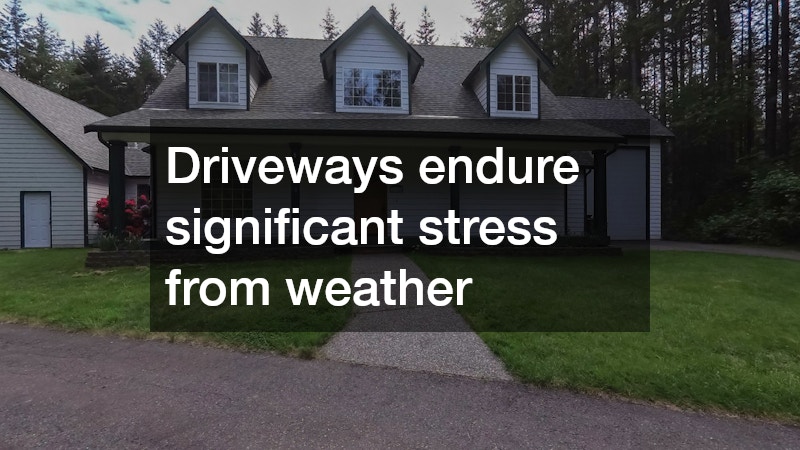
Driveways, walkways, and other asphalt surfaces endure constant stress from weather fluctuations, vehicle traffic, and everyday wear and tear. Exposure to sun, rain, snow, and ice can cause asphalt to expand and contract, leading to cracks, potholes, and surface deterioration. Over time, even minor damage can worsen, creating tripping hazards, damaging vehicles, and negatively affecting your property’s curb appeal. Regular maintenance not only preserves the appearance of your driveway but also extends its lifespan and prevents costly repairs.
Tips for maintaining asphalt surfaces include:
-
Regularly inspecting for cracks, dips, or surface damage: Walk your driveway and sidewalks at least seasonally to identify early signs of deterioration. Look for small cracks, uneven areas, or depressions where water pools, as these are often precursors to larger problems. Early detection allows for inexpensive repairs before damage escalates.
-
Using sealant to protect against water penetration and UV damage: Asphalt sealcoating creates a protective barrier that repels water and resists damage from sunlight. Applying a sealant every few years, or according to manufacturer recommendations, prevents moisture from seeping into the base layers and causing cracks or potholes.
-
Promptly repairing minor damage to prevent larger issues: Small cracks and potholes should be patched immediately to prevent water infiltration and further deterioration. Use cold patch or hot asphalt fill depending on the size and location of the damage, and consider professional advice for best results.
-
Controlling vegetation near asphalt surfaces: Tree roots or overgrown plants can push up asphalt or accelerate cracking. Trim nearby landscaping and remove weeds that grow through cracks to protect the surface.
-
Preventing heavy load stress: Avoid parking large trucks or equipment on residential driveways for extended periods, as concentrated weight can accelerate wear.
Hiring professional asphalt contractors for resurfacing, patching, or major repairs ensures the work is done correctly and lasts longer. Experienced contractors have the right tools and materials to restore the surface, apply even layers, and address drainage issues that may have contributed to damage. They can also provide advice on long-term maintenance schedules, including sealcoating, crack filling, and inspection intervals.
Properly maintained driveways and walkways improve safety by eliminating tripping hazards and reducing the risk of vehicle damage. They also enhance the overall aesthetics of your property, boosting curb appeal and property value. Regular attention to asphalt surfaces ensures they remain durable, functional, and visually appealing for years to come.
5. Care for Your Trees and Landscaping
Trees and landscaping enhance the beauty of your property but require consistent attention to stay healthy and safe. Seasonal tree care prevents damage to your home and reduces the risk of falling limbs during storms. Regular pruning and trimming promote growth, prevent disease, and improve sunlight exposure.
Key steps include:
-
Removing dead or diseased branches.
-
Checking for signs of insect infestations or rot.
-
Maintaining a safe distance between trees and structures.
Sometimes, trees may become hazardous or obstructive, necessitating professional tree removal. Expert services ensure the process is safe and efficient, protecting both your property and the surrounding environment.
6. Prevent Basement Damage and Moisture Issues
Basements are prone to moisture, mold, and structural issues if neglected. Seasonal inspections help identify leaks, water intrusion, and other concerns before they cause extensive damage. Effective maintenance improves air quality and prevents long-term structural problems.
Tips for keeping basements in top condition include:
-
Checking for cracks in walls and floors.
-
Ensuring proper drainage and functioning sump pumps.
-
Installing dehumidifiers to control humidity.
In some cases, basement renovation projects can enhance both functionality and durability, such as improving insulation, installing moisture barriers, or upgrading storage areas. Renovation not only prevents damage but can also increase usable living space.
7. Keep Your Home’s Ventilation Safe and Efficient
Proper ventilation is a critical component of maintaining a healthy and energy-efficient home. Over time, vents and ducts can accumulate dust, lint, and other debris, which restrict airflow and create potential fire hazards. Poor ventilation not only reduces system efficiency but can also circulate allergens, mold spores, and pollutants throughout your home, impacting indoor air quality and overall comfort. Routine maintenance, including dryer vent cleaning, is essential to keep your home safe and ensure appliances operate efficiently.
Dryer vent cleaning is particularly important because lint buildup is one of the leading causes of household fires. A clogged vent forces your dryer to work harder, increasing energy consumption and wear on the machine. Regularly cleaning the dryer vent removes this buildup, allowing hot air to escape freely, reducing drying times, lowering energy costs, and minimizing fire risk.
Additional steps to maintain proper ventilation include:
-
Scheduling professional air duct cleaning annually: Even with regular filter changes, dust and debris can accumulate deep within your ductwork. Professional cleaning removes these contaminants, improving airflow, enhancing indoor air quality, and ensuring your heating and cooling systems run more efficiently.
-
Inspecting vents for obstructions or buildup: Periodically check all supply and return vents for dust, pet hair, or debris that could block airflow. Ensure that furniture, rugs, or curtains are not obstructing vent openings, as restricted airflow increases energy costs and reduces system performance.
-
Ensuring exhaust fans in kitchens and bathrooms are functioning: Properly working exhaust fans remove excess moisture, smoke, and odors from your home. Moisture control is especially important to prevent mold growth, which can compromise both health and the structural integrity of your home.
-
Checking vent connections and seals: Loose or disconnected duct sections can leak conditioned air into unheated spaces such as attics or crawl spaces. Sealing these connections ensures maximum efficiency and prevents energy loss.
-
Removing visible dust and debris around vent covers: Even a small layer of dust on registers can indicate deeper buildup in the ductwork and reduce airflow. Regular cleaning of vent covers supports overall system efficiency.
Regular cleaning and inspection of your home’s ventilation system protect your home from potential hazards, including fire risks from clogged dryer vents and poor air circulation. Maintaining clean air ducts and vents also improves comfort by delivering consistent airflow, reducing strain on your HVAC system, and providing healthier air for your household. By incorporating routine maintenance into your seasonal home checklist, you ensure your ventilation system functions optimally, extending the lifespan of your appliances and enhancing indoor air quality year-round.
8. Maintain Septic Systems for Longevity
Septic systems require careful attention to avoid backups, leaks, and costly repairs. Signs of trouble include slow drains, foul odors, and soggy areas in the yard. Routine maintenance prevents major issues and ensures the system operates efficiently.
Steps to maintain your septic system include:
-
Scheduling regular pumping and inspections through local septic tank services.
-
Reducing water waste to avoid overloading the system.
-
Avoiding disposal of non-biodegradable items and grease.
Professional maintenance keeps the system compliant with regulations, extends its lifespan, and protects both your property and the environment from contamination.
9. Prepare for Moving or Large Seasonal Projects
Large projects, whether moving, renovating, or seasonal cleanouts, require careful planning to avoid stress and damage. Utilizing a local moving service ensures that belongings are transported safely and efficiently, particularly during transitions that involve heavy furniture or delicate items.
Key tips for project readiness:
-
Create a detailed timeline for moving or renovation tasks.
-
Coordinate with contractors and service providers to avoid scheduling conflicts.
-
Pack and label items systematically to simplify the process.
Planning ahead reduces mistakes, minimizes costs, and ensures that all maintenance and renovation projects run smoothly without last-minute surprises.
10. Tips for Staying on Top of Year-Round Maintenance
Consistency is key when it comes to home maintenance. Keeping track of seasonal tasks and scheduling necessary services prevents emergencies and helps budget for repairs. Maintaining a calendar or checklist ensures all areas of the home are addressed in a timely manner.
Practical strategies include:
-
Creating a seasonal calendar with key inspections and service dates.
-
Setting reminders for annual tasks like air duct cleaning, roof inspections, and basement checks.
-
Budgeting for preventive maintenance to avoid surprise expenses.
-
Rotating tasks so each system or area receives attention without overwhelming your schedule.
Proactive management reduces the likelihood of unexpected breakdowns and keeps your home safe, comfortable, and valuable.
A well-maintained home is a safe, efficient, and enjoyable place to live. By following a seasonal checklist and scheduling routine inspections and services, homeowners can prevent costly repairs, enhance comfort, and extend the life of key systems. From roof to basement, from trees to driveways, staying proactive ensures your home remains in top condition throughout the year. Implementing these practical tips and working with trusted professionals allows you to enjoy peace of mind and make the most of your property investment.