Hosting a truly memorable gathering requires far more than curating a great playlist, putting out a well-designed charcuterie board, and mixing a signature cocktail. Long before the first guest rings the doorbell, the true foundation of a successful event is already at work behind the scenes. It exists within the structural integrity, electrical capacity, and spatial flow of your home. When you welcome dozens of people into your personal space, you are essentially opening a micro-venue. That transition places an unprecedented amount of stress on your property’s infrastructure, from your plumbing and electrical grids to your driveway traffic patterns and outdoor lighting setups.
When home systems fail during a party, the impact is immediate and distracting. A tripped breaker that kills the music, a clogged line in the powder room, or a dark step on a patio can derail an evening you spent weeks planning. Proactive hosts understand that updating and fortifying their living spaces isn’t just about boosting property value; it is about creating a seamless, stress-free environment where guests feel instantly comfortable and secure. By making strategic home upgrades aimed at utility resilience, outdoor safety, and accessible flow, you can stop managing logistical fires on the night of the event and actually enjoy your own party.
Fortifying Utility Systems to Handle Peak Guest Demands
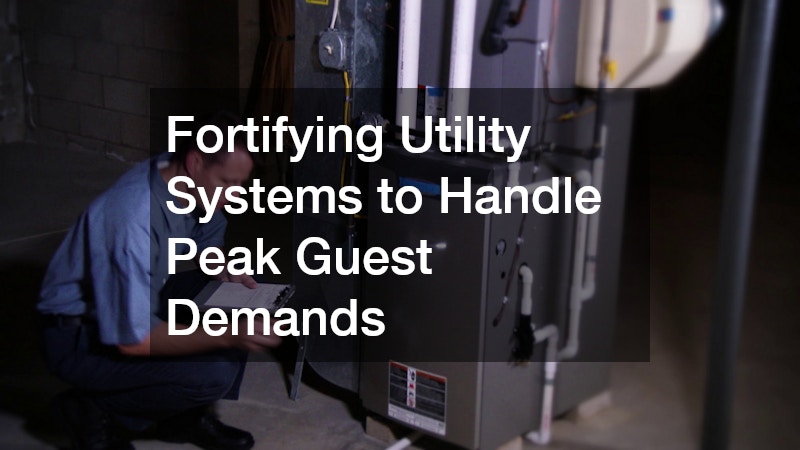
Imagine it is the middle of a weekend dinner party. The outdoor string lights are twinkling, the warmers in the kitchen are keeping the appetizers hot, the dedicated beverage fridge in the pantry is running at maximum cooling capacity, and a custom playlist is blasting through speakers across the main floor. Suddenly, the entire main level goes dark, and the music dies. In a home that hasn’t been prepared for heavy power draws, running multiple high-wattage entertainment devices simultaneously on standard residential circuits is a recipe for tripped breakers and frustrated hosts. Preparing your electrical system before you host large events means auditing your energy loads and distributing high-demand equipment across separate, dedicated circuits.
Beyond basic circuit balancing, modern hosting often demands professional electrical adjustments to prevent dangerous overloads. Engaging a licensed electrician to evaluate your home’s main panel can reveal whether your property needs an amp upgrade to safely support temporary lighting rigs, outdoor heaters, or commercial-grade catering gear. Adding heavy-duty, weather-resistant GFCI outlets around your exterior entertainment zones eliminates the hazardous web of extension cords that guests might otherwise trip over in the dark.
Power capacity is only half the utility equation; water demand rises exponentially the moment guests cross your threshold. Between frequent bathroom visits, continuous dishwashing cycles during food prep, and overnight visitors taking morning showers, standard domestic water systems face extreme strain during multi-day visits or large dinner parties. Nothing dampens the guest experience quite like running out of hot water halfway through a dishwashing cycle or leaving a staying visitor with a freezing morning shower. Investing in a modern water heater installation guarantees a continuous, rapid supply of hot water, keeping your kitchen sanitizing routines on track and ensuring your houseguests enjoy luxury-level comfort throughout their stay.
Designing Outdoor Boundaries and Spatial Layouts for Large Crowd Safety
Outdoor gatherings require a unique approach to crowd management. Unlike interior rooms, which naturally contain people within walls, yards present open-ended spatial challenges. A well-designed outdoor hosting space directs guest traffic organically, keeping people within safe, well-lit entertainment areas while subtly blocking off private spaces, garden beds, or dangerous property drops. Creating this fluid layout requires a combination of thoughtful furniture placement, ambient boundary lighting, and durable physical barriers that double as landscape design features.
Securing the Property Line for Peace of Mind
- Inspect the full perimeter for hazards, making sure to clear away hidden tree roots, uneven flagstones, or soft garden soil where guests might misstep after dark.
- Establish clear zone divides using low-voltage pathway lights or heavy planters to guide visitors naturally from the main deck toward the outdoor lounge without wandering into unlit areas.
- Repair or upgrade physical boundary structures by partnering with a licensed fence installer to reinforce loose posts, mend broken latches, and eliminate sharp hardware edges along your yard’s perimeter.
For homeowners managing expansive suburban yards, rural properties, or small acreage, spatial safety involves an entirely different scale of planning. Wide-open terrain can tempt guests—especially children and pets—to stray into dark, hazardous zones, nearby woods, or areas housing livestock and farm equipment. In these expansive settings, partnering with experienced horse fencing installers allows you to erect sturdy, aesthetically pleasing perimeter barriers. These robust fences clearly mark boundaries, contain large animals safely away from the party area, and keep your event centered within a secure, controlled footprint.
Safeguarding Aquatic Features and Outdoor Entertainment Platforms
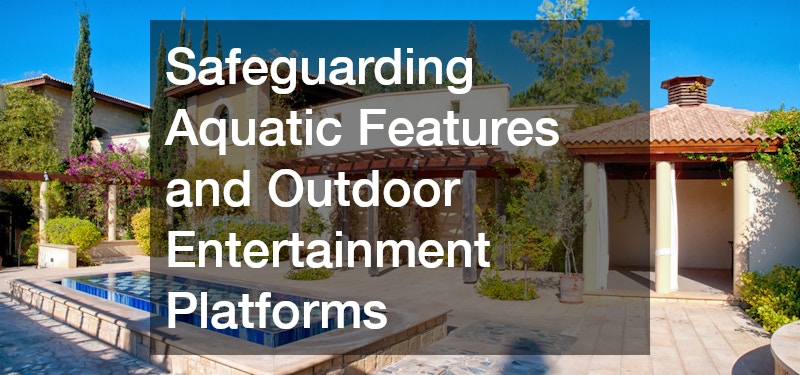
Water features naturally draw a crowd during summer parties, acting as the visual centerpiece for outdoor entertainment. However, pools, hot tubs, and decorative ponds also present significant safety liabilities if they are not properly integrated into your event design. Managing an aquatic zone requires balancing an open, inviting atmosphere with strict safety precautions, especially when young children, late-night crowds, or adult beverages are involved.
Pre-Party Aquatic Checklist
- Test all submerged and surrounding deck lighting to ensure full visibility across the water’s surface after sunset.
- Apply anti-slip coatings or high-traction teak runners along wet walking paths leading from the pool deck to interior doors.
- Confirm that all self-closing mechanisms on access gates are fully operational and latching correctly without manual assistance.
Before throwing your first major summer bash, consult an experienced swimming pool installer to review your setup against modern residential safety standards. A professional can evaluate the structural integrity of your pool deck, inspect self-latching safety barrier gates, and verify that drainage systems are moving water away from high-traffic footpaths to prevent slick conditions. Taking these steps ensures your water features remain a source of effortless fun rather than a source of anxiety.
Upgrading Exterior Roofing and Drainage for Unpredictable Weather
Weather is the ultimate wild card for any host. An unexpected afternoon downpour can instantly force dozens of patio guests under your home’s eaves, covered porches, or exterior awnings. If your roofline or drainage infrastructure is compromised, a light rain can quickly turn into a nightmare of dripping water, slippery walkways, and ruined outdoor furniture. Preparing your home for bad weather keeps your guests dry and protects your foundation from heavy water buildup during high-volume events.
A common structural issue that impacts outdoor parties is overflowing overhead drainage. When gutters are clogged, damaged, or sagging, rainwater cascades off the roof edge in heavy sheets, soaking guests standing near doorways or on covered patios. Scheduling a seamless gutter installation cures this issue by directing water through high-capacity channels and downspouts far away from your main entryways and entertaining decks. Clean, wide, efficient gutters ensure that even during an unseasonable downpour, your covered outdoor living areas stay completely dry and comfortable.
The overhead protection provided by your home’s roof deck is equally crucial when hosting under cover. Aging, damaged shingles or hidden roof leaks can leak water onto your outdoor patio ceiling or, worse, inside your home’s main gathering spaces when a storm hits during an event. Having a professional inspect your residential roofing prior to party season gives you the confidence that your overhead structure is completely sealed, sound, and ready to shelter your family and friends regardless of what the weather app predicts.
Optimization of Indoor Climate Control and Air Quality Management
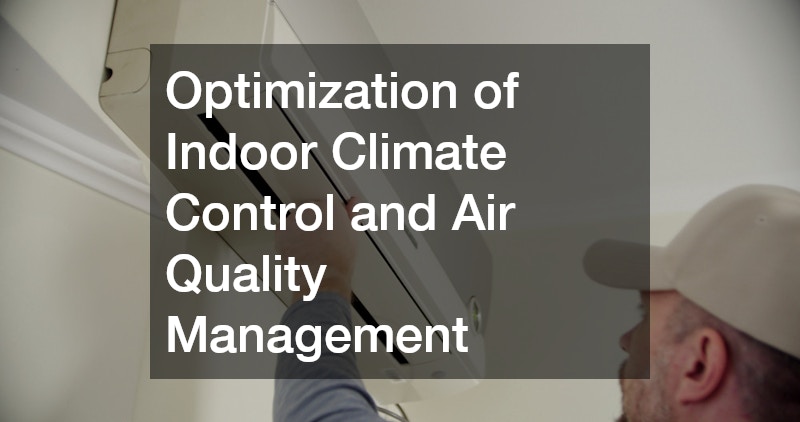
When your home shifts from housing a single family to hosting thirty or forty active guests, the internal atmosphere changes dramatically within minutes. Human body heat, constant movement, and continuous cooking in the kitchen create a rapid spike in ambient temperature and humidity. A living room that felt perfectly crisp at seven o’clock can easily become uncomfortably warm and stuffy by eight. Preparing your indoor environment for a crowd requires an active, multi-pronged strategy that goes beyond simply turning down the thermostat right before people walk through the door.
To maintain a fresh and inviting atmosphere, you need to address airflow and ventilation well before your event starts. Pre-cooling your home several hours in advance allows the walls, furniture, and flooring to absorb the cold air, creating a thermal buffer that resists the initial surge of body heat. Additionally, integrating smart ceiling fans set to counterclockwise rotation keeps air moving continuously without creating uncomfortable drafts directly over dining tables.
Air quality is another often-overlooked component of guest comfort. High occupant density leads to elevated carbon dioxide levels, airborne cooking odors, and trapped humidity, which together produce that instantly recognizable “stale room” feeling. Upgrading your central HVAC filters to high-efficiency MERV-rated options, placing discreet HEPA air purifiers in main conversation hubs, and keeping bathroom exhaust fans running constantly will maintain clean, odor-free air. When your home breathes naturally, your guests remain energetic, comfortable, and engaged throughout the entire evening.
Enhancing Acoustics and Sound Dampening Across Gathering Areas
In any lively gathering, sound management plays an subtle yet critical role in defining the atmosphere. Hard, flat surfaces—such as hardwood floors, large glass sliding doors, quartz countertops, and drywall—cause sound waves to bounce repeatedly across a room. As background noise builds, guests naturally speak louder to be heard over the reverberation, creating an escalating wall of noise that leaves people feeling fatigued and straining to hold basic conversations.
Addressing high sound reflections transforms a chaotic environment into an intimate, enjoyable space. Incorporating soft furnishings like thick area rugs, plush throw pillows, upholstered seating, and lined drapes breaks up sound travel and absorbs excess vocal vibrations. In open-concept layouts where noise travels freely into quieter sleeping areas, installing decorative acoustic wall panels or acoustic ceiling baffles absorbs high-frequency noise without compromising your design aesthetic.
For multi-zone parties where music spans both indoor rooms and outdoor patios, investing in a zoned audio distribution system allows you to manage sound levels independently across different spaces. By balancing volume levels across smaller, distributed speakers rather than relying on a single loud speaker setup, you ensure every area retains the perfect audio backdrop without overpowering guest conversations.
Streamlining Arrival, Entry Access, and Emergency Backup Power
The host’s journey begins long before the first drink is poured; it starts at the driveway. Smooth guest arrival sets the emotional tone for the entire event. If visitors are forced to park in cramped areas, struggle with heavy entry gates, or navigate cluttered garages just to reach the backyard, their experience begins with frustration. Streamlining your entry points, garage structures, and power backups eliminates bottlenecks and creates a welcoming atmosphere from the moment guests pull up to the curb.
Resolving Common Arrival Bottlenecks
- Stuck or Loud Entry Gates: Clean and lubricate all moving tracks on automated driveways or side-yard gates to prevent loud screeching and mechanical delays as caterers and guests arrive.
- Obstructed Garage Access: Clear clear walking aisles inside the garage space so guests accessing extra refrigeration or trash bins can walk through safely without tripping over storage containers.
- Malfunctioning Overhead Doors: Address sluggish door operations immediately by scheduling garage door opener repairs to restore fast, reliable, and quiet remote access for incoming visitors and service vendors.
- Outdated Curb Appeal: Replace rusted, dented, or uninsulated doors with a full garage door replacement, instantly elevating your property’s exterior aesthetic while improving thermal insulation for garage-adjacent entertaining areas.
The ultimate nightmare for any host is a localized grid outage that leaves your property completely dark, silent, and without climate control in the middle of a major celebration. Whether it is an August heatwave straining the regional grid during a backyard barbecue or a sudden winter ice storm hitting during a holiday dinner party, losing utility power brings an event to a immediate halt. Installing a whole home generator installation eliminates this risk entirely. A permanently installed backup generator senses power loss instantly and automatically engages within seconds, seamlessly keeping your lights, sound systems, refrigeration, and heating or cooling running without skipping a beat.
Elevating the Art of Home Hospitality Through Preparation
Mastering the art of hosting is ultimately an exercise in foresight. While beautiful table settings, thoughtfully planned menus, and great entertainment form the visible surface of a successful gathering, it is your home’s underlying physical readiness that dictates how smoothly the event unfolds. By looking at your residence through the eyes of a visitor and addressing potential vulnerabilities before they turn into disruptive problems, you shift from being a stressed, reactive host to a relaxed, confident entertainer.
Investing in strategic residential upgrades—whether that means expanding your electrical capacity, securing your perimeter boundaries, upgrading outdoor drainage, or ensuring continuous backup power—delivers benefits that extend far beyond party night. These improvements enhance your daily comfort, protect your long-term property value, and offer complete peace of mind. When your home is engineered to handle high guest capacity effortlessly, you can focus on what truly matters: making lasting memories with the people who gather under your roof.