Homeownership brings long-term responsibility that extends far beyond routine cleaning and cosmetic upkeep. Many of the most expensive and disruptive home issues develop gradually, often without immediate warning signs. Small problems related to moisture, ventilation, access points, or structural stress can quietly worsen over time until they create unsafe conditions or require extensive repairs. Preventive inspections and maintenance provide homeowners with an opportunity to interrupt this progression before it becomes overwhelming.
A proactive mindset shifts home care from reaction to prevention. Instead of waiting for systems to fail, homeowners who schedule regular evaluations gain visibility into how their property is aging and performing. Plumbing, ventilation, structural surfaces, and safety systems all interact in ways that are not always obvious. When one component begins to deteriorate, it often places stress on others. Preventive maintenance allows these connections to be identified and managed early.
This guide outlines how homeowners can reduce risk through intentional inspections and consistent maintenance planning. Each section addresses a different area of the home where preventive attention can significantly reduce the likelihood of emergencies. By approaching home care as an ongoing process rather than a series of urgent responses, homeowners can improve safety, preserve property condition, and maintain a more predictable living environment over time.
Monitoring Underground Systems Before They Fail
Underground systems are among the most essential yet least visible components of a home. Septic infrastructure, in particular, supports daily sanitation needs and must function consistently to protect both indoor spaces and surrounding property. Coordinating routine inspections with septic companies helps homeowners detect early signs of imbalance, blockages, or wear that may not yet be visible at the surface. These inspections focus on system capacity, usage patterns, and environmental conditions that influence long-term performance.
Early warning signs such as slow drainage, subtle odors, or changes in soil saturation often indicate developing issues that are easier to manage when addressed promptly. Preventive evaluations allow homeowners to take corrective action before system strain escalates into backups or contamination concerns. This proactive approach protects plumbing connections, reduces stress on drainage fields, and limits disruption to daily routines.
Beyond functionality, underground system monitoring supports broader property health. Poorly maintained systems can contribute to foundation moisture, landscaping damage, and interior plumbing issues. By incorporating routine evaluations into an annual maintenance plan, homeowners establish a baseline understanding of system performance. This visibility reduces uncertainty and supports informed decision-making when planning other improvements that may affect or rely on underground infrastructure.
Homeowners benefit from documenting inspection findings over time to establish performance patterns. Keeping records of system observations, weather conditions, and usage changes makes it easier to spot deviations that may indicate emerging problems. This documentation also supports better communication when scheduling future evaluations or coordinating related work such as landscaping or drainage improvements. By maintaining a simple inspection log, homeowners can move from reactive decision-making to informed planning. Over time, this approach reduces uncertainty, improves scheduling accuracy, and supports long-term system reliability beneath the home.
Reducing Risk During Household Transitions

Household transitions such as relocations, renovations, or major reorganizations introduce unique risks to a home’s interior and structure. Moving heavy furniture and appliances can stress flooring, doorways, and staircases if not handled carefully. Coordinating with a local moving company that understands residential environments helps reduce the likelihood of accidental damage during these transitions. Proper planning ensures that weight distribution, maneuvering space, and surface protection are considered in advance.
Preventive preparation includes clearing pathways, securing loose items, and protecting vulnerable surfaces such as railings, corners, and flooring transitions. Without these steps, even routine moves can result in dents, scratches, or misalignment that require additional repairs. Addressing movement risks ahead of time preserves finishes and structural integrity.
Household transitions also create rare opportunities for inspection. Once furniture and belongings are removed, homeowners can assess walls, floors, and corners that are typically hidden. This visibility allows early identification of moisture marks, cracking, or wear that may otherwise go unnoticed. Integrating inspections into transition periods helps homeowners address issues efficiently before spaces are reoccupied.
Transitions often introduce temporary stress on structural components that are not designed for repeated impact or heavy loads. Staircases, thresholds, and flooring transitions are particularly vulnerable during these periods. Taking time to reinforce protective measures such as corner guards or temporary coverings helps prevent cumulative wear. These small precautions preserve finishes and reduce the likelihood of follow-up repairs. Treating transitions as high-risk periods encourages homeowners to slow the process slightly, improving outcomes without extending timelines unnecessarily.
Strengthening Fire Safety Readiness
Fire prevention is a cornerstone of home safety, yet many households overlook routine inspection of essential response tools. Maintaining fire extinguishers in appropriate locations throughout the home supports rapid response during emergencies and reduces the potential for widespread damage. Preventive checks ensure that extinguishers are accessible, operational, and suitable for the risks present in each area of the home.
Routine inspections involve verifying pressure levels, ensuring unobstructed access, and confirming that extinguishers are placed near kitchens, garages, and mechanical spaces. Familiarity with usage instructions also plays an important role in effective response. Preventive attention transforms safety equipment from decorative fixtures into functional tools.
Incorporating fire readiness into broader maintenance routines strengthens overall preparedness. Fire risks often intersect with other systems, including ventilation, electrical components, and heating appliances. By addressing these elements together, homeowners create layered protection rather than isolated safeguards. This integrated approach improves confidence and reduces uncertainty during high-stress situations.
Fire readiness improves significantly when homeowners practice routine awareness rather than relying solely on equipment placement. Reviewing exit paths, identifying potential ignition sources, and ensuring clear access to safety tools builds familiarity with emergency response. These reviews are especially useful after renovations or layout changes that may alter access routes. Consistent attention reinforces preparedness and helps household members respond instinctively rather than hesitating under pressure. Fire safety becomes most effective when integrated into daily awareness rather than treated as a one-time checklist item.
Planning Ahead for Water-Related Risks
Water remains one of the most destructive forces affecting residential properties. Flooding, whether caused by weather events or internal system failures, can compromise structural materials and indoor environments quickly. Preventive planning includes understanding exposure risks and reviewing protective measures such as flood insurance as part of a comprehensive strategy. This planning helps homeowners prepare for scenarios that may fall outside routine maintenance.
Physical inspections focus on grading, drainage pathways, and potential entry points where water may infiltrate the home. Identifying vulnerabilities early allows for corrective action that limits intrusion during heavy rainfall or seasonal thaw cycles. Preventive evaluations reduce the likelihood of sudden interior damage.
Combining physical prevention with preparedness planning creates a balanced approach to water risk. While inspections address structural weaknesses, planning ensures homeowners understand recovery pathways should exposure occur. Together, these steps strengthen resilience and reduce the long-term impact of water-related events.
Long-term water risk planning also benefits from evaluating how exterior features influence runoff patterns. Changes to landscaping, hardscaping, or grading can alter how water moves across the property. Observing water flow during heavy rain events provides valuable insight into potential problem areas. Small adjustments made early can reduce pooling and erosion risks later. By pairing observation with preventive planning, homeowners gain better control over how water interacts with their property during changing conditions.
Evaluating Structural Surfaces and Load Areas
Hard surfaces such as driveways, walkways, and load-bearing slabs play an important role in safety and drainage. Cracks, uneven settling, or surface erosion can introduce hazards and direct water toward vulnerable areas. Coordinating evaluations with concrete delivery companies during repair planning helps ensure materials and timing align with preventive goals.
Routine surface inspections identify early signs of stress before damage expands. Addressing minor deterioration promptly helps preserve structural continuity and protects nearby systems. Preventive maintenance reduces the likelihood of larger repairs later.
Surface integrity also influences accessibility and daily use. Stable walkways and drive areas reduce trip risks and support safe movement around the property. Incorporating surface evaluations into regular maintenance plans ensures these areas remain functional, safe, and visually consistent over time.
Surface stability directly affects accessibility and long-term usability of the property. Uneven or shifting areas can gradually worsen if ignored, especially in regions with freeze-thaw cycles. Regular visual checks after seasonal changes help identify movement before it becomes disruptive. Addressing surface concerns early preserves both safety and appearance while minimizing future interruptions. Consistent evaluation also helps homeowners coordinate repairs logically with other exterior improvements, reducing the likelihood of overlapping or conflicting work.
Improving Ventilation and Reducing Fire Hazards
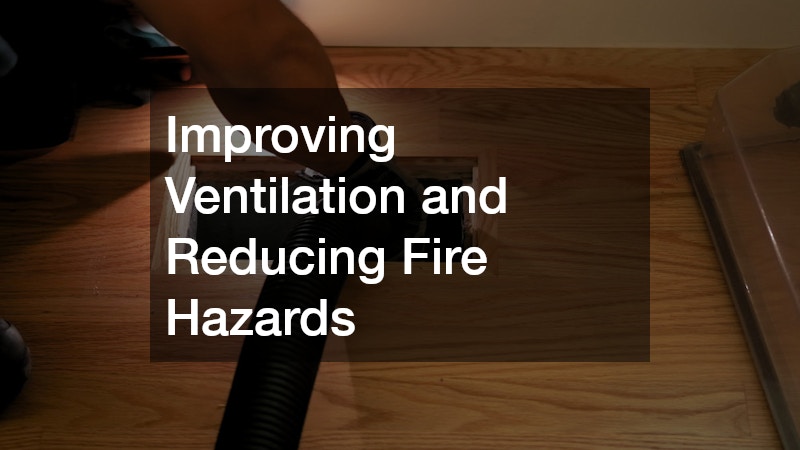
Ventilation systems are critical for both safety and efficiency, yet they often accumulate debris without visible signs. Dryer vent cleaning is a key preventive task that reduces fire risk and supports proper airflow. Lint buildup restricts ventilation, increases heat retention, and places strain on appliances.
Routine inspections focus on airflow strength, connection integrity, and external exhaust points. Clearing obstructions early prevents overheating and improves system performance. Preventive attention also supports appliance longevity and indoor air quality.
Including ventilation maintenance in seasonal routines reinforces overall home safety. Ventilation issues often intersect with moisture and heat concerns, making this task an essential part of risk reduction rather than a standalone chore.
Identifying Moisture and Air Quality Concerns
Moisture-related issues often develop gradually and remain hidden until damage becomes widespread. Scheduling mold inspection services as part of preventive maintenance helps identify growth in early stages, before it affects indoor air quality or structural materials. Inspections target areas prone to moisture accumulation such as basements, crawl spaces, and bathrooms.
Early detection allows homeowners to correct contributing factors like ventilation issues or minor leaks. Addressing moisture sources promptly prevents repeated growth cycles and preserves indoor conditions.
Preventive monitoring supports healthier living environments. By integrating moisture and air quality evaluations into regular maintenance plans, homeowners protect both occupant well-being and building materials over the long term.
Responding Quickly to Early Signs of Damage

Water-related damage requires swift attention to prevent escalation. Preventive planning includes understanding when to involve water damage restoration professionals if leaks or exposure occur. Early response limits the spread of moisture and reduces impact on surrounding materials.
Routine inspections help homeowners recognize warning signs such as discoloration, warping, or persistent dampness. Prompt action prevents minor issues from evolving into structural concerns.
Preparedness supports faster recovery and minimizes disruption. Knowing how to respond allows homeowners to act decisively rather than react under pressure.
Securing Entry Points and Access Areas
Doors and access points play a vital role in safety and daily function. Regular inspection of locks, hinges, and frames reduces vulnerability and ensures reliable operation. Coordinating with a local locksmith service supports proper alignment and function of security components.
Preventive checks identify wear patterns that may compromise performance. Addressing issues early helps maintain consistent access and reduces emergency situations.
Security-focused maintenance complements broader risk reduction efforts. Reliable entry systems contribute to both safety and peace of mind.
Maintaining Safe Venting and Heating Systems
Heating systems rely on proper venting to operate safely. Scheduling local chimney sweep services as part of annual maintenance prevents buildup that can restrict airflow or create hazards. Inspections focus on flue condition, blockages, and structural stability.
Preventive care supports efficient operation and reduces fire risk during colder months. Clean venting allows systems to perform as intended.
Including chimney and vent inspections in routine schedules reinforces overall safety and supports consistent heating performance throughout the season.
Reducing home risks through preventive inspections and maintenance requires commitment, consistency, and awareness. Each system within a home contributes to overall safety and performance, and neglect in one area often affects others. Proactive care replaces uncertainty with preparation, allowing homeowners to address vulnerabilities before they escalate.
A structured maintenance strategy transforms homeownership from reactive problem-solving into informed stewardship. By prioritizing inspections and understanding how systems interact, homeowners create safer living environments and protect long-term property condition. Preventive maintenance is not simply about avoiding emergencies; it is about sustaining comfort, reliability, and peace of mind over time.