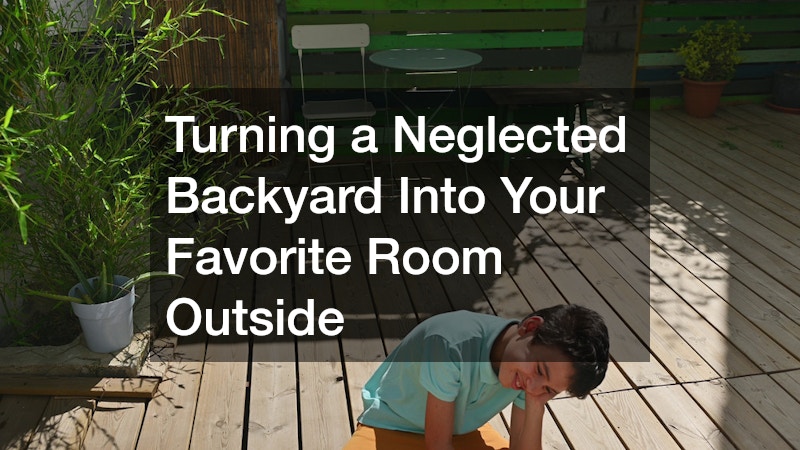
A neglected backyard does not stay neutral for long. It quietly becomes a storage yard for things you meant to fix, a jungle you avoid, or a patchy lawn you apologize for when guests visit. The good news is that transforming it into a space you actually want to spend time in does not require starting from zero or spending a fortune all at once. With a clear plan and a few smart priorities, you can turn that overgrown, underused yard into the most relaxing room in your house, even though it has no walls or ceiling.

Clear Out Overgrown Trees and Dead Limbs First
Before you can picture what your backyard could become, you need to see it clearly, and that often means dealing with overgrown or damaged trees. Dead branches, leaning trunks, and root systems creeping toward your foundation are not just eyesores; they are safety hazards waiting for the next storm. Hiring a tree removal service to assess and remove problem trees gives you a blank canvas and eliminates liability before you invest in anything else.
Not every tree needs to go, and a professional opinion helps you avoid removing healthy shade trees that add value to your property. A local tree service can walk your yard, flag which trees are structurally sound, and recommend pruning versus full removal. This step also matters for insurance purposes, since many policies require documentation that hazardous trees were professionally addressed.
- Look for cracked bark, fungal growth, or hollow sounds when tapping the trunk.
- Watch for branches hanging directly over the roof, patio, or fence line
- Ask about stump grinding so new landscaping is not blocked later
- Get at least two quotes since tree work pricing varies widely by region
Repair or Rebuild Your Deck Before Adding New Features
A wobbly deck ruins the experience of an otherwise beautiful backyard, and it is one of the first things people notice when they step outside. Boards that flex, railings that wiggle, or fasteners that have rusted through are signs that deck repair should happen before you add furniture, planters, or string lights. Pushing this off only increases the risk of a fall or a much larger rebuild later.
If your deck is structurally sound but visually tired, sanding and refinishing can make it look brand new for a fraction of the cost of replacement. Check the ledger board where the deck attaches to the house, since this is the most common failure point due to water damage. A weekend spent testing every board and bolt can save you from a costly surprise during your first backyard gathering.
- Test railings by pushing firmly in multiple directions
- Inspect joists and beams underneath for soft or discolored wood
- Reseal or stain every one to two years depending on your climate
- Replace flashing if you notice water pooling near the house

Choose the Right Lumber for New Outdoor Structures
Once repairs are handled, many homeowners get excited about building something new, whether it is a pergola, raised garden beds, or a simple bench seating area. The lumber you choose has a huge impact on how long that structure lasts outdoors. Pressure-treated wood resists rot and insects, while cedar and redwood offer natural beauty and decent weather resistance without chemical treatment.
Budget matters too, and lumber prices fluctuate based on supply, so it pays to compare a few suppliers before committing to a large project. Composite materials cost more upfront but require less maintenance over time, which can be worth it for high-traffic areas like stairs or a main seating platform. Whatever you choose, make sure it is rated for ground contact if it will touch soil directly.
- Pressure-treated pine is budget-friendly and widely available
- Cedar naturally resists insects and has a warmer appearance
- Composite decking resists fading and splintering over decades
- Always check the moisture content before building in humid weather
Add a Sunroom for Year-Round Enjoyment
If you love the idea of an outdoor room but do not want to be at the mercy of weather, a sunroom bridges the gap between indoors and outdoors beautifully. It gives you a space to enjoy morning coffee surrounded by greenery even when it is raining or too cold to sit outside. Many homeowners find that a sunroom becomes the most used room in the house because it offers natural light without bugs, wind, or temperature extremes.
There are a few different types to consider depending on your budget and climate. A three-season room typically has screened or single-pane windows and is ideal for spring through fall, while a four-season sunroom includes insulated glass, proper heating, and cooling so it functions as true living space all year. Prefab kits can run a few thousand dollars for a basic setup, while a fully insulated custom addition with electrical and HVAC tie-ins can climb well into the tens of thousands.
Before building, think about orientation and glazing. A south-facing sunroom captures the most winter light but can overheat in summer, so low-E glass or retractable shades are worth the investment. It is also smart to check with your municipality about permits, since adding a sunroom often counts as a home addition rather than a simple patio upgrade.
Furnish it with comfortable seating, a small side table, and plants that thrive in bright, indirect light, like ferns or pothos. Adding a ceiling fan or portable heater can extend your comfortable hours even further, letting you use the space on chilly mornings or warm afternoons alike.
Placement matters a great deal, since a sunroom facing south or west will get more heat and light throughout the day, while a north-facing orientation offers softer, more consistent light that stays cooler in summer. East-facing rooms tend to be a happy medium, capturing bright morning sun without the intense afternoon heat buildup. Before committing to a layout, it’s worth tracking how sunlight moves across your yard over a few days to see which spot actually gets the most usable exposure.
Ventilation and shading options should be considered early in the planning process so the space stays comfortable in summer. Ceiling fans, operable windows, and roof vents help keep air moving, while exterior awnings, tinted glass, or interior blinds cut down on glare and heat gain. Insulated or low-E glass is worth the extra cost in most climates, since it keeps the room usable during both winter cold snaps and summer heat waves rather than just three seasons out of four.
When designed well, a sunroom also adds real resale value because buyers see it as usable square footage rather than a seasonal add-on. Industry estimates often put the return on investment for a well-built sunroom between 45% and 65% of its cost, depending on the region and quality of construction. Choosing materials that match the rest of the house, like matching siding or rooflines, also helps the addition feel like a natural extension of the home rather than an afterthought bolted onto the back.

Install or Restore an Inground Swimming Pool
For many families, a backyard truly becomes a favorite gathering spot once water is part of the equation. An inground swimming pool offers a permanent, high-value feature that turns hot afternoons into an activity rather than something to endure. It also tends to become the natural gathering point for parties, playdates, and quiet evening swims alike.
If you already have a pool that has been neglected, restoration is often more affordable than starting fresh, though it depends on the condition of the shell, plumbing, and decking. Working with a local pool contractor ensures that permits, drainage, and electrical work meet current codes, which matters both for safety and for resale. A knowledgeable contractor can also advise on energy-efficient pumps and heaters that reduce long-term operating costs.
- Fiberglass pools install faster but offer fewer shape customizations
- Gunite pools take longer to build but allow fully custom designs
- Ask about warranty coverage on both the shell and equipment
- Budget for ongoing maintenance costs, not just installation
Bring a Green Pool Back to Crystal Clear Condition
If your existing pool has been sitting unused, there is a good chance algae, debris, and imbalanced chemicals have turned it an unappealing shade of green. A proper green pool clean up involves more than dumping in chlorine, since the water chemistry needs to be tested and corrected in stages. Rushing this process can damage pool equipment or cause cloudy water that takes weeks to clear.
The process typically starts with removing large debris, followed by shocking the water, brushing the walls and floor, and running the filtration system continuously until the water clears. Depending on how long the pool sat neglected, this can take anywhere from a few days to a couple of weeks. Once it is clear, staying on a consistent maintenance schedule prevents the problem from returning.
- Test pH and chlorine levels every few days during recovery
- Brush walls and steps daily until algae stops reappearing
- Backwash or clean filters more frequently during the cleanup phase
- Consider a professional assessment if the water stays cloudy after two weeks

Upgrade Outdoor Water Quality and Supply Lines
Many people focus entirely on visible backyard features and forget about what is happening underground with their water supply. If you have an outdoor kitchen, irrigation system, or even a hose bib you use often, water quality affects everything from plant health to equipment lifespan. A whole home water filtration system can reduce mineral buildup and sediment that clog irrigation heads and stain outdoor surfaces over time.
Hard water is especially hard on outdoor fixtures, leaving white residue on pavers, furniture, and pool equipment near splash zones. Filtering water before it reaches these areas extends the life of everything from sprinkler systems to outdoor sinks. This is a less glamorous upgrade, but it protects the investment you are making in the rest of the yard.
Add Shade and Privacy With Custom Window Treatments
If your backyard transformation includes a sunroom, covered patio, or screened porch, controlling light and privacy becomes just as important as the view itself. Custom blinds services allow you to get window treatments sized precisely for angled sunroom windows or oversized sliding doors that standard sizes do not fit well. This matters more than people expect, since ill-fitting blinds let in glare and heat that can make an otherwise beautiful space uncomfortable during peak sun hours.
Motorized and remote-controlled options have also become more affordable, letting you adjust light throughout the day without leaving your seat. Material choice affects both privacy and durability, especially in spaces exposed to humidity or temperature swings. Getting this right means your new outdoor or semi-outdoor room stays comfortable in every season, not just the mild ones.
- Choose moisture-resistant materials for sunrooms and covered patios
- Consider light-filtering fabrics if you want privacy without total darkness
- Motorized blinds work well for hard-to-reach angled windows
- Measure twice, since custom orders are rarely returnable
Layer In Comfortable Seating and Lighting
Once the structural and mechanical work is finished, the final layer is what actually makes people want to linger outside. Comfortable seating, weather-resistant cushions, and a mix of lighting create the atmosphere that turns a functional yard into a favorite retreat, whether that retreat is an open patio or an enclosed sunroom. String lights, lanterns, and low-voltage path lighting all serve different purposes and work best when combined rather than used alone.
Think about how you actually plan to use the space, whether that is quiet reading, entertaining large groups, or family dinners outdoors. Investing in a few high-quality pieces usually outlasts buying several cheap items that fade or break within a season. This is the stage where your backyard stops feeling like a project and starts feeling like a room.
- Choose cushions with removable, washable covers for easy upkeep
- Layer ambient, task, and accent lighting for flexibility after dark
- Add a rug or outdoor flooring to visually define the seating area
- Store or cover furniture during harsh weather to extend its lifespan
Turning a neglected backyard into your favorite room outside does not happen overnight, but tackling it in this order, starting with safety and structure before moving to comfort and style, keeps the process manageable. Prioritize the fixes that protect your home and family first, then build toward the features that make the space feel personal and inviting. Whatever your budget or timeline, the yard you have been avoiding can become the one you never want to leave.