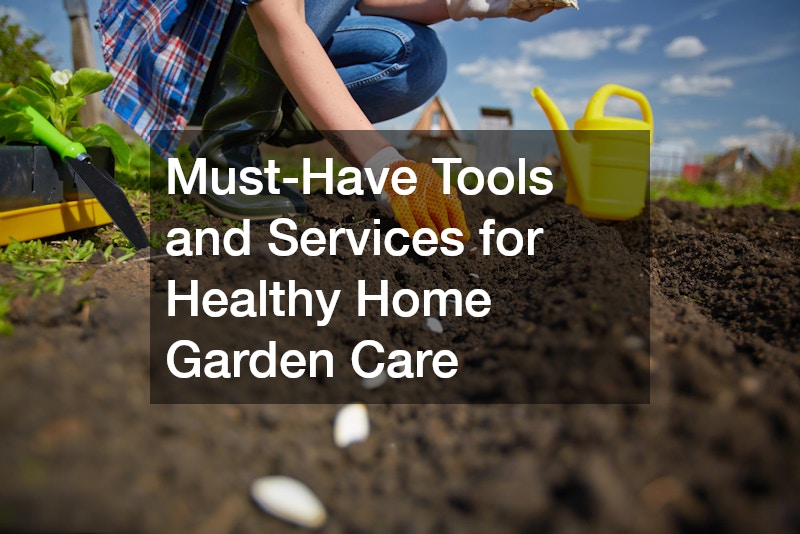
From essential hand tools and irrigation systems to lawn care services and seasonal maintenance support, each element plays a role in keeping plants thriving and outdoor spaces looking their best. Understanding what tools you need and when to rely on professional services can help you save time, reduce effort, and achieve more consistent results throughout the year.
The Right Soil for the Job
Healthy soil is the foundation of any successful garden, directly influencing plant growth, root development, and overall landscape vitality. High-quality garden soil provides the essential nutrients plants need while also maintaining proper structure for drainage and aeration. Without this balance, even the best plants will struggle to thrive.
Improving soil health often begins with adding organic matter such as compost, well-rotted manure, or leaf mold. These materials enrich the soil with nutrients, improve moisture retention, and enhance microbial activity that supports plant growth. Over time, this creates a more fertile and self-sustaining growing environment. Organic matter also helps soil become more resilient to drought and temperature changes. Working with a local garden center or horticultural expert can provide valuable guidance on selecting the right soil blends and amendments for your region. Since soil composition varies widely, professional advice helps ensure you’re addressing specific deficiencies rather than applying generic solutions.
Soil testing is another critical step in long-term garden success. Regular testing identifies nutrient imbalances, pH levels, and organic content, allowing for precise adjustments. This prevents common issues such as poor flowering, weak root systems, or stunted growth. For challenging soil types like heavy clay or sandy soil, targeted amendments are essential. Materials such as gypsum can help break up compacted clay, while peat moss or coconut coir can improve water retention in sandy soils. With consistent monitoring and improvement, soil quality gradually transforms, creating a strong foundation for a lush and productive garden. Over time, these improvements also reduce the need for excessive fertilization and irrigation.
Decorative Elements Like Stones

Decorative rocks are an essential element in modern landscape design, offering both visual appeal and practical benefits. They add contrast, texture, and structure to garden spaces, helping to define areas and create natural-looking transitions between plants, paths, and hardscape features.
Beyond aesthetics, decorative rocks serve important functional purposes. They can be used to construct durable garden paths that reduce soil compaction and foot traffic damage to plants. They also help suppress weed growth by blocking sunlight and reducing the need for chemical weed control methods. In addition, rocks improve drainage in certain garden zones, helping prevent water pooling. With a wide range of colors, shapes, and sizes available, decorative stones can complement virtually any garden style—from minimalist modern designs to more natural, rustic landscapes. Thoughtful placement allows them to highlight focal points such as flower beds, water features, or sculptural plants.
Design balance is key when incorporating rocks into a garden. Overuse can make a space feel harsh or uninviting, so they should be carefully integrated with greenery, mulch, and organic textures. When combined effectively, they help create depth, contrast, and visual flow throughout the landscape. Layering different stone sizes can also create a more natural and dynamic appearance. Maintenance requirements are minimal compared to living garden elements. Occasional rinsing to remove debris and periodic rearrangement help maintain their appearance. As part of a long-term hardscape investment, decorative rocks provide durability and lasting visual structure with very little upkeep.
Fertilizer to Keep a Lush Green Yard
Lawn fertilization is essential for maintaining a dense, vibrant, and healthy lawn throughout the year. Grass relies on a consistent supply of nutrients such as nitrogen, phosphorus, and potassium to grow strong roots, resist disease, and maintain its green color. Before applying fertilizer, soil testing is highly recommended to determine nutrient deficiencies and avoid unnecessary applications. This ensures that the lawn receives exactly what it needs, rather than excessive or imbalanced feeding that could harm growth or the environment. It also helps homeowners avoid wasting fertilizer and money.
There are many fertilizer types available, including quick-release and slow-release formulas. Slow-release fertilizers are often preferred because they provide steady nutrient delivery over time, reducing the risk of nutrient burn and promoting sustained growth. Organic fertilizers are also becoming more popular for environmentally conscious gardeners. Timing plays a major role in fertilization success. Applying fertilizer during active growth periods allows grass to absorb nutrients more efficiently. Seasonal adjustments are also important, as lawns have different needs in spring, summer, fall, and winter. Applying fertilizer at the wrong time can lead to weak or uneven growth.
Over-fertilization can lead to problems such as excessive thatch buildup, weak root systems, and environmental runoff. Following recommended application rates ensures healthy growth while protecting surrounding soil and water systems. When done correctly, fertilization creates a thick, resilient lawn that enhances the overall landscape. A well-fed lawn also naturally crowds out weeds, reducing long-term maintenance needs.
Sprinklers Can Make Watering Easy
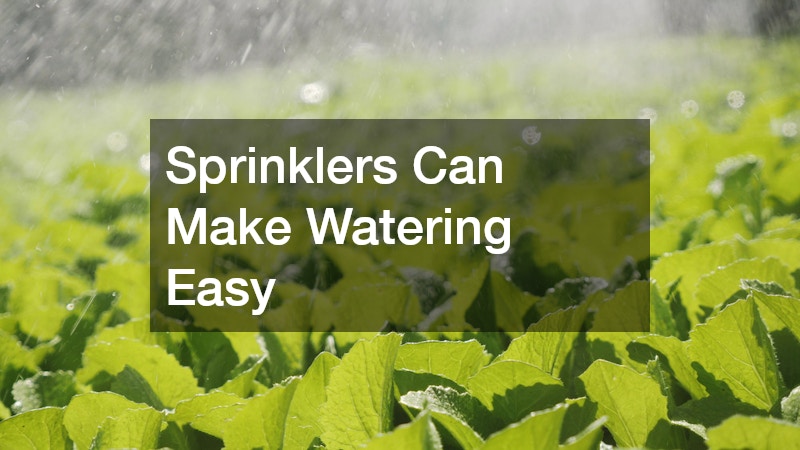
A well-designed sprinkler system is one of the most effective ways to maintain consistent and efficient garden irrigation. Proper sprinkler system installation ensures that all areas of the landscape receive the right amount of water, reducing waste while promoting healthy plant growth. Modern sprinkler systems can be tailored to different zones within a garden, allowing for customized watering schedules based on plant type, sun exposure, and soil conditions. This zoning approach ensures that delicate plants are not overwatered while thirstier areas receive sufficient hydration. It also helps prevent dry patches and over-saturated soil.
Advanced systems often include smart controllers and timers that automatically adjust watering schedules based on weather conditions. These technologies help conserve water by preventing unnecessary irrigation during rainfall or cooler periods. Some systems can even be controlled remotely via smartphone apps for added convenience. Professional installation is highly recommended to ensure proper coverage, pressure balance, and long-term system reliability. Incorrect installation can lead to uneven watering, dry patches, or water waste. Experts can also design layouts that maximize efficiency while minimizing overlap. Routine maintenance is also essential. Checking for leaks, clogged nozzles, or misaligned sprinkler heads ensures the system continues operating efficiently. A well-maintained irrigation system supports both plant health and long-term water conservation. Seasonal adjustments further optimize performance throughout the year.
Trees Need to Be Trimmed
Tree trimming is a vital part of maintaining a healthy and visually appealing garden. Regular pruning removes dead, diseased, or overcrowded branches, allowing trees to grow more efficiently and safely. It also improves airflow and sunlight penetration, both of which are essential for overall tree health. Proper trimming techniques help shape trees in a way that enhances the overall landscape design while preventing structural issues. Without regular maintenance, trees can become unbalanced, overgrown, or even hazardous during storms or high winds. Well-shaped trees also improve curb appeal and property value. Precision is important when trimming trees, as improper cuts can damage bark, invite disease, or stunt growth. This is why many property owners choose professional arborists who understand correct pruning methods and species-specific requirements. Proper tools and techniques also reduce stress on the tree.
Seasonal timing is also important. Many trees respond best to pruning during dormant periods, when stress is minimized, and healing is faster. However, some species require different timing depending on their growth cycles. Understanding these cycles is key to long-term tree health. Consistent tree maintenance not only improves safety but also enhances long-term vitality. Well-maintained trees contribute shade, structure, and beauty to the garden, making them one of the most valuable elements of any landscape. Over time, regular pruning also reduces the risk of costly emergency tree removal.
The Basic Tools Shouldn’t Be Forgotten
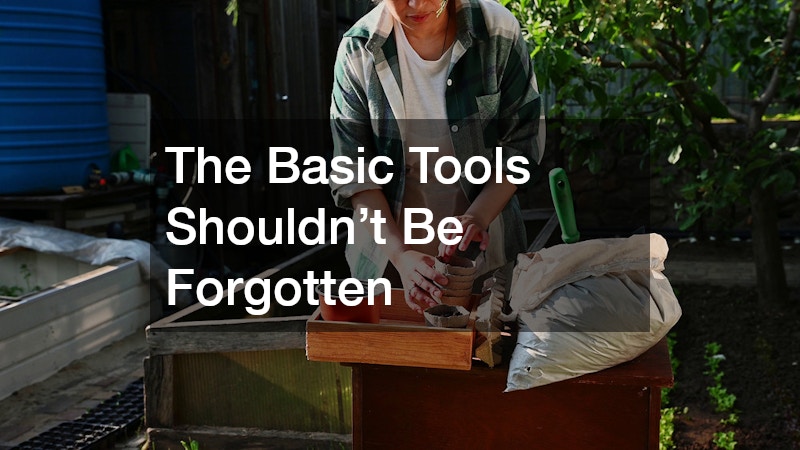
Hand tools form the foundation of effective gardening, enabling precision work that larger equipment cannot achieve. Tools such as trowels, pruners, spades, hoes, and weeders are essential for planting, pruning, cultivating soil, and maintaining plant health. High-quality tools make gardening more efficient and comfortable. Ergonomic designs reduce strain on hands and wrists, while durable materials ensure long-term reliability even with frequent use. Investing in well-made tools often reduces replacement costs over time. Sharp, well-balanced tools also improve accuracy and reduce plant damage.
Organized storage systems, such as tool racks, sheds, or portable kits, help keep equipment accessible and in good condition. A well-organized setup improves efficiency and ensures that tools are always ready when needed. It also reduces the time spent searching for equipment during gardening tasks. With the right set of hand tools, gardeners can perform detailed tasks with accuracy and confidence, leading to healthier plants and more productive outdoor spaces. Over time, a reliable tool collection becomes one of the most valuable investments in any garden.
Mulch With Looks and an Environmental Purpose
Forestry mulching is a sustainable and efficient method of clearing land while improving soil health. It involves using specialized machinery to grind vegetation into mulch, which is then left on-site to naturally decompose and enrich the soil. Unlike traditional land clearing methods that involve burning or hauling away debris, forestry mulching minimizes environmental disruption. It preserves topsoil structure, reduces erosion, and eliminates unnecessary waste removal. This makes it especially suitable for environmentally sensitive areas. The resulting mulch layer helps retain soil moisture, regulate temperature, and suppress weed growth. This creates a healthier environment for new plantings and supports long-term ecosystem balance. It also reduces the need for synthetic fertilizers.
Forestry mulching is also highly effective in controlling invasive plant species without the need for chemical herbicides. Mechanically removing unwanted growth, it supports more natural and sustainable land management practices. It can also improve land usability for future landscaping or gardening projects. In addition to its environmental benefits, this method improves the appearance and usability of outdoor spaces, making it an excellent option for large garden expansions or property development projects. Over time, it contributes to healthier, more resilient landscapes.
Professionals Help Keep the Pests Away
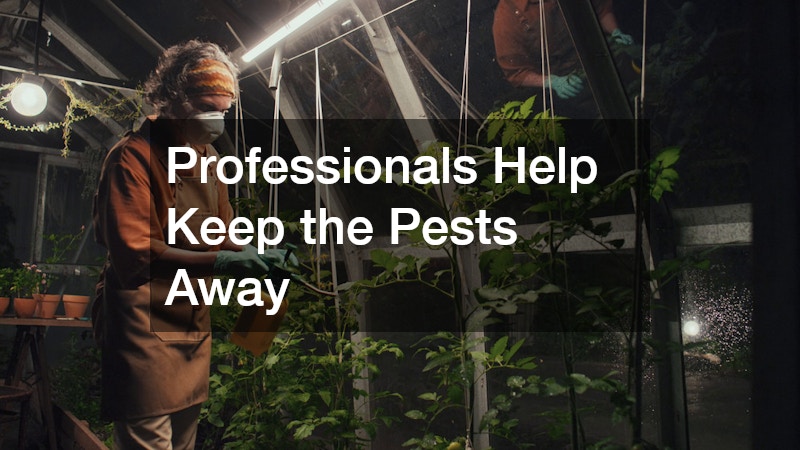
An integrated pest control service focuses on long-term prevention and environmentally responsible management of garden pests. Instead of relying solely on chemical treatments, it combines monitoring, biological control, and targeted interventions to maintain balance within the ecosystem. Early detection is key to effective pest management. Regular inspections help identify infestations before they spread, allowing for faster and more controlled responses. This reduces damage to plants and limits the need for aggressive treatments. It also helps protect beneficial insects.
Biological control methods, such as introducing beneficial insects, can naturally reduce pest populations. When necessary, targeted organic treatments are used to minimize harm to beneficial species and surrounding ecosystems. This balanced approach supports long-term garden health.
A successful pest control strategy is highly customized, taking into account plant types, seasonal conditions, and local pest behavior patterns. Prevention methods—such as improving soil health and maintaining plant diversity—also play a major role. Healthy plants are naturally more resistant to pests. This integrated approach ensures that pest control is both effective and sustainable, protecting the garden without disrupting its natural balance. Over time, it reduces reliance on chemicals and promotes a more resilient ecosystem.
Paving Service for Functionality and Style
Professional paving services enhance both the usability and appearance of garden spaces by creating structured, durable surfaces such as walkways, patios, and driveways. These installations provide stability, improve accessibility, and define outdoor living areas. Material selection plays an important role in design and performance. Options such as natural stone, brick, and concrete each offer unique aesthetic and functional benefits. The right choice depends on the garden’s style, usage needs, and environmental conditions. Texture and color also influence the overall design impact. Expert installation ensures proper drainage, structural integrity, and long-term durability. Poorly installed paving can lead to shifting, cracking, or water pooling, which can compromise both safety and appearance. Proper base preparation is critical for long-lasting results.
Paved areas require relatively low maintenance but benefit from occasional cleaning to prevent staining, moss buildup, or surface wear. Surrounding landscaping elements can soften the appearance of hard surfaces and help integrate them naturally into the garden. Regular sealing can also extend lifespan. Well-designed paving transforms outdoor spaces into functional extensions of the home, providing areas for relaxation, entertainment, and movement while enhancing the overall landscape design. Over time, it significantly increases both usability and property value.
Successful garden maintenance is all about balance—combining the right tools with dependable services to support ongoing care. While basic gardening tools form the foundation of everyday upkeep, professional services can provide specialized expertise for tasks such as landscaping, pruning, soil management, and seasonal preparation. Investing in quality tools ensures that routine tasks like watering, trimming, and weeding are handled efficiently, while professional support helps maintain long-term garden health and structure. Together, they create a system that keeps outdoor spaces vibrant, organized, and sustainable. Ultimately, whether you prefer a hands-on DIY approach or occasional professional assistance, having the right resources in place allows you to enjoy a healthier, more beautiful garden with less stress and effort.