The journey of homeownership involves a steep learning curve, especially in managing the systems that keep a house comfortable and functional. Many adopt a reactive approach: waiting for a breakdown before attempting fixes. However, the hidden costs of this approach are substantial. Outdated infrastructure and neglected systems drain energy and inflate utility bills, leading to costly emergency interventions. Transforming a home into an efficient space requires shifting away from quick fixes to strategic maintenance and targeted upgrades. A proactive approach reduces breakdown risks and enhances financial and environmental benefits over time. A well-maintained home uses less power, conserves resources, and retains higher market value. Explore strategies covering climate control, water system longevity, and electrical safety, equipping you to make efficient decisions for your property’s long-term health.
Schedule Bi-Annual System Diagnostics and Cleaning
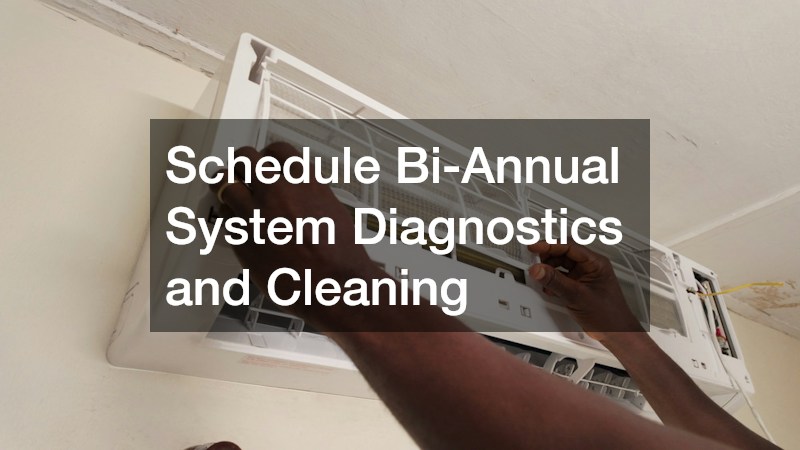
Maintaining a comfortable indoor climate during the hottest months requires more than just adjusting your thermostat. It involves a proactive approach to the hardworking equipment behind the scenes. To ensure your cooling system operates efficiently, schedule comprehensive system diagnostics and clean the equipment before summer. Start with the exterior condenser unit by clearing a two-foot radius of debris, tall grass, and overgrown shrubs. This unobstructed space allows maximum airflow, essential for heat dissipation. Indoors, regularly replace air filters. A clogged filter forces the blower motor to work harder, increasing electricity use and reducing the system’s lifespan.
- Inspect the outdoor unit for visible signs of physical damage or extreme dirt accumulation on the delicate aluminum exterior fins.
- Wash the exterior fins gently with a garden hose to remove caked-on dust, being careful not to bend the soft metal components.
- Check the indoor evaporator coil for any signs of ice buildup, which indicates poor airflow or a larger systemic issue that needs addressing.
By catching minor refrigerant leaks, worn contactors, or failing capacitors early, you can completely bypass the severe inconvenience and exorbitant costs associated with emergency air conditioning repair during a blistering, high-stress heatwave.
Evaluate and Vet Professional Maintenance Partners
Even with diligent DIY maintenance, complex cooling systems require a professional to evaluate refrigerant pressures, test electrical connections, and calibrate thermostats. Waiting until your system fails in mid-July is the worst time to start looking for a contractor. Interview and vet professionals during the off-season, like early spring or late autumn, when their schedules are more accommodating.
- Look for contractors who offer comprehensive annual service agreements that include guaranteed response times for their members.
- Ask specific questions about parts warranties and whether they provide priority scheduling for their regular, loyal maintenance customers.
- Verify all state licenses, bonding certificates, and liability insurance limits before allowing any technician to inspect or modify your property.
Taking the time to thoroughly research and interview multiple HVAC companies ensures you find a trustworthy partner whose pricing is transparent and whose technicians are highly trained, rather than having your choice dictated by sheer desperation during a sudden cooling emergency.
Calculate the ROI on Outdated Heating Equipment
When the temperature drops, a reliable and efficient heating system is crucial for your home’s comfort and safety. Many homeowners unknowingly waste money by relying on outdated heating systems. To assess if your setup is a financial asset or liability, locate and interpret your equipment’s Annual Fuel Utilization Efficiency (AFUE) rating. This rating, usually on a yellow label on the unit, indicates how efficiently the machine converts fuel into heat. An older unit with a rating of sixty-five percent means thirty-five cents of every fuel dollar is wasted as exhaust.
- Calculate your average monthly winter utility bills over the past three to five years to establish a highly accurate baseline operational cost.
- Compare your current historical expenditure against the projected energy usage and estimated operating costs of a modern, high-efficiency system.
- Factor in any available local utility rebates, federal tax incentives, and seasonal manufacturer discounts that can heavily offset the initial purchase price.
By rigorously performing these calculations, you can easily identify the exact financial tipping point where the dramatic monthly utility savings of upgrading to a ninety-five percent efficiency model completely outweigh the initial capital required for a full furnace replacement.
Optimize Fuel Storage and Delivery Schedules

For homes using delivered fuels instead of municipal gas lines, efficiently managing your fuel supply is critical for winterizing your property. Letting your tank run dry risks both a freezing home and severe damage to heating equipment. Proactively negotiate capped-price or pre-buy contracts in the summer to lock in lower rates before winter demand increases market prices.
- Install a smart, wireless tank monitor that sends real-time fluid level alerts and historical consumption data directly to your smartphone.
- Ask your primary supplier about automated delivery programs that are precisely calculated based on your historical usage patterns and local weather forecasts.
- Schedule a thorough annual inspection of the storage tank itself, looking carefully for warning signs of external rust, weeping structural seams, or unstable concrete foundations.
Carefully monitoring your consumption trends and automating the scheduled delivery of your heating oil prevents heavy, damaging sludge from being drawn into the delicate fuel lines and entirely eliminates the exorbitant premium fees associated with last-minute deliveries.
Adopt Preventative Strategies for Flow Blockages
The plumbing network in your home is hidden behind walls and floors, making it easy to ignore until a destructive problem surfaces. Preserving these pipes is essential for maintaining a clean and efficient household. Most severe blockages are not sudden events; they result from months or years of accumulated soap scum, grease, hair, and food particles. Proactive, preventative strategies are key to maintaining flow. Instead of using harsh chemical liquids that can harm pipes and the local water table, use gentle, natural treatments regularly.
- Pour a targeted, biological enzymatic solution down all major household drains once a month before bed, allowing it to safely digest trapped organic matter overnight.
- Install physical, stainless steel mesh hair catchers in every single shower and bathtub, making sure to clean them out thoroughly after every single use.
- Never pour liquid cooking grease, melted fats, or heavy culinary oils down the kitchen sink, opting instead to wipe warm pans with a disposable paper towel before washing them.
These seemingly small, highly consistent daily habits will effectively preserve the structural integrity of your home’s drainage system and can permanently eliminate the urgent, messy, and expensive need for professional drain cleaning.
Install Point-of-Use Purification for Better Health
Beyond the structural health of your pipes, the quality of water from your fixtures impacts your health and the longevity of your appliances. Municipal water is treated for pathogens but may still have dissolved minerals, chlorine, and industrial contaminants that affect taste and cause scale deposits. Test your tap water for total dissolved solids to see if filtration is a worthwhile investment for your family’s well-being.
- Purchase a simple digital testing meter or request a highly detailed, legally mandated annual water quality report directly from your local municipality.
- Carefully assess the visible buildup of white, chalky mineral scale on your metal showerheads, sink faucets, and inside the water reservoir of your coffee maker.
- Consider the ongoing, compounding financial and environmental burden of continually purchasing cases of single-use plastic water bottles for your daily drinking needs.
Addressing these issues directly by installing a high-quality reverse osmosis water filter under your primary kitchen sink provides a continuous supply of pristine drinking water, completely eliminates your daily reliance on environmentally damaging bottled water, and thoroughly protects your expensive small kitchen appliances from devastating internal mineral buildup.
Flush Core Appliances Annually to Prevent Sediment Buildup

Your home’s large core appliances, especially those for heating and storing water, are significant financial investments. Maximizing their lifespan is essential for home efficiency. Over time, hard minerals in your water supply settle at the bottom of storage tanks, forming a thick, insulating sediment layer. This sediment acts as a barrier, forcing the appliance to use more energy to heat the water above it. To address this, flush these tanks annually. First, turn off the power at the breaker panel or shut off the gas valve to ensure safety. Then, close the cold water supply valve to the top of the tank.
- Carefully attach a standard, heavy-duty garden hose to the small brass drain valve located near the very bottom of the heating unit.
- Run the other end of the long hose to a large floor drain, a heavy plastic bucket, or safely route it directly outside the home.
- Open the bottom drain valve and simultaneously open a hot water faucet somewhere else in the house to break the internal vacuum, allowing the heavy tank to empty completely and rapidly.
Flushing the system in this manner until the exiting water runs completely clear removes this highly harmful calcium and sediment, vastly optimizing thermal energy transfer and drastically reducing the likelihood that you will ever need a premature water heater repair.
Establish Relationships with Emergency Responders Before Disaster Strikes
Unexpected emergencies can occur despite meticulous maintenance and modern systems. A pipe might burst during a deep freeze, or a supply valve might fail without warning. In such high-stress situations, each minute can lead to escalating water damage to drywall, flooring, and personal belongings. Therefore, it’s critical to establish a relationship with dependable emergency responders before a disaster. Take time to build a vetted roster of reliable contractors when you are not under the pressure of an active flood.
- Check your specific local state licensing board websites to strictly verify that prospective contractors hold active, unblemished professional licenses in your area.
- Always formally request and independently verify physical copies of their general liability insurance and active workers’ compensation certificates.
- Read detailed, long-form reviews from your immediate neighbors on local community message boards or trusted, verified neighborhood smartphone applications.
Having a thoroughly pre-vetted, highly reliable list of elite plumbing companies saved directly in your digital phone contacts ensures that you will never be financially price-gouged or subjected to rushed, subpar workmanship during a chaotic midnight emergency.
Audit Aging Infrastructure for Fire Hazards and Capacity Issues
As we integrate more advanced technology into our daily lives, our homes demand a higher, consistent volume of electricity. Unfortunately, the electrical systems of many older homes weren’t designed to support the load of modern smart appliances, automated ecosystems, and electric vehicle chargers. Auditing your infrastructure is a non-negotiable step in ensuring safety and efficiency. You must be vigilant in identifying the early signs of overloaded circuits and deteriorating wire connections.
- Take careful note if your electrical circuit breakers trip frequently or unexpectedly when simply running multiple standard household appliances simultaneously.
- Observe closely whether your overhead room lights dim, buzz, or flicker noticeably when the heavy refrigerator compressor or kitchen microwave suddenly kicks on.
- Carefully touch the exterior plastic faceplates of your most-used wall outlets; if they feel unusually warm or emit a faint, crackling buzzing sound, you have an immediate, severe hazard.
Homes originally built before the late nineteen-nineties very often utilize highly outdated main panels and totally inadequate wiring gauges that simply cannot safely handle contemporary, high-draw electrical demands, making comprehensive electrical rewiring services a vital, life-saving structural upgrade rather than a mere cosmetic luxury.
Partner with Certified Professionals for Safe Installations

When your home’s essential power system requires modernization, the project must be executed with precision and care. Upgrading main breaker panels or electrical circuits on your own is dangerous, illegal in most places without permits, and can void your homeowners insurance policy in case of fire. Partner with certified, trained professionals for power installations. When seeking help, be prepared to ask specific, technical questions about their proposed upgrades.
- Ask the professional to provide a highly detailed, written mathematical load calculation based specifically on your current usage and projected future electrical needs.
- Ensure they explicitly and clearly include the total financial cost and physical acquisition of all necessary municipal building permits in their final written project estimate.
- Verify that they actively intend to install heavy-duty, whole-home surge protection to adequately safeguard your expensive smart appliances and highly sensitive computer equipment.
By strictly insisting on these rigorous professional standards and directly hiring a fully licensed, deeply experienced local electrician, you comprehensively guarantee that every single aspect of your home’s complex power network is brought completely up to modern safety codes and meticulously optimized for future technological advancements.
Achieving an efficient, functional home is an ongoing process of balanced management. It involves a mix of DIY maintenance and strategic investments in modern infrastructure. Ignoring deterioration in climate control, water, and electrical systems can lead to failures and financial strain. By cleaning, inspecting, and upgrading these components proactively, you protect your property’s integrity and safety. Energy efficiency enhances quality of life, reduces operational costs, and increases property value. Don’t wait for extreme weather or mechanical failures; take action today. Focus on one system—water, climate control, or power—and use this weekend to audit its performance, clean components, or consult a professional.