Hot water is one of those comforts people rarely think about until it is gone. A reliable system keeps daily routines running smoothly, from morning showers to evening cleanups. When it is time for water heater installation, taking a thoughtful approach can make a noticeable difference in performance, efficiency, and long term costs.
Understanding Your Household Needs
Every home uses hot water differently. A small household may only need a compact unit, while a larger family often benefits from a system that can handle multiple showers, laundry loads, and dishwashing at the same time.
Choosing the right setup during water heater installation starts with evaluating usage patterns.
Tank size, recovery rate, and energy source all play a role in meeting demand. Installing a system that is too small can lead to frequent shortages, while an oversized unit may use more energy than necessary. A balanced choice ensures comfort without unnecessary waste.
The Shift Toward Energy Efficiency
Energy efficiency has become a major factor in water heater installation decisions. Newer models are designed to reduce energy consumption while still delivering consistent performance. This is not only helpful for lowering monthly utility bills but also supports a more environmentally conscious household.
Tankless systems have gained popularity for their ability to heat water on demand. These units eliminate the need to store hot water, which reduces standby energy loss. Traditional tank systems have also improved, with better insulation and updated heating elements that boost efficiency.
Placement Matters More Than You Think
Where a unit is installed can influence how well it performs over time. A poorly placed system may lose heat as water travels through long pipe runs, leading to delays and wasted energy. During water heater installation, professionals consider proximity to high use areas such as bathrooms and kitchens.
Proper ventilation is also essential, especially for gas powered systems. Safe airflow prevents buildup of harmful gases and helps the unit operate as intended. Even electric models benefit from adequate space for maintenance and airflow.
Professional Installation Helps Avoid Costly Mistakes
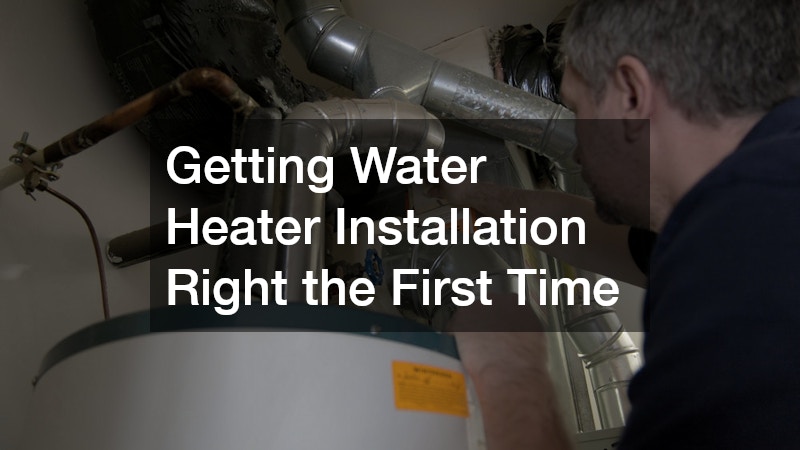
While it may be tempting to treat water heater installation as a straightforward project, small errors can lead to bigger issues down the line. Incorrect connections, improper pressure settings, or overlooked safety measures can reduce efficiency and increase the risk of damage.
A trained technician ensures that all components are installed correctly and up to code. This includes checking valves, securing fittings, and confirming that the system is operating safely. Professional installation also helps protect warranties that might be voided by improper setup.
Thinking Beyond the Installation Day
A successful water heater installation is not just about getting the unit in place. It also sets the stage for long term performance. Routine maintenance, such as flushing the tank or checking components, helps extend the life of the system and keeps it running efficiently.
Planning ahead can also make future upgrades easier. Choosing a system with accessible parts and a practical layout allows for smoother servicing if repairs are needed later on.
A Reliable System Starts with the Right Approach
Water heater installation is an opportunity to improve comfort, efficiency, and reliability in a home. By taking the time to choose the right system, placing it thoughtfully, and relying on professional expertise, homeowners can avoid common issues and enjoy consistent hot water for years to come.
Making informed decisions at the start often leads to fewer surprises later. With the right approach, a new water heater becomes more than just an appliance. It becomes a dependable part of everyday life.