Understanding when to call an electrician can be crucial for maintaining the safety and efficiency of your home’s electrical system. This article will guide you through the key moments when professional electrical services become necessary. Whether you’re dealing with outdated panels, frayed wiring, or malfunctioning appliances, knowing when to seek help can prevent hazards and ensure smooth operations. Home electrical issues are not only inconvenient but can also pose significant safety risks if left unaddressed. Staying informed about your electrical system’s needs is the first step in proactive home maintenance.
How to Identify Electrical Hazards
Electrical hazards are a serious concern in any household, capable of causing fires, electrocution, and even fatalities. One of the primary indicators of a potential hazard is frequent circuit breaker trips, signaling an overloaded electrical system. Additionally, flickering lights are often a warning sign of loose wiring or a failing circuit. Outlets and switches that feel warm to the touch or emit a strange smell should also raise alarms. Identifying these hazards early can prevent more serious issues down the line and should prompt a call to a professional electrician service.
Several visual cues can indicate the presence of electrical hazards in your home. For example, if you notice scorch marks, buzzing sounds, or sparks coming from your outlets, these are clear signs that something is wrong. Pay attention to your appliances as well; if they frequently short-circuit or get unusually hot, faulty wiring could be to blame. While these issues might seem minor initially, they can compound and worsen over time, leading to more extensive damage and increased safety risks. Timely intervention by an electrician can mitigate these dangers effectively.
An underlying issue many homeowners may overlook is the age of their wiring. Older homes often have outdated wiring that may not meet current safety standards, increasing the risk of electrical hazards. Aluminum wiring, common in homes built before the 1970s, is one such example, as it is more prone to overheating. Such historical issues require prompt attention and possible rewiring to bring the system up to code. It’s essential to have a professional assessment of your electrical system to identify any latent risks before they manifest as real problems.
When to Upgrade Your Electrical Panel
Your electrical panel is the heart of your home’s electrical system, distributing power to various circuits throughout your house. Upgrading your panel might be necessary if you experience insufficient power supply, particularly when running multiple high-power appliances. Over time, electrical demands increase with modern amenities, and older panels may struggle to keep up. If you notice frequent breaker trips, too many extension cords in use, or flickering lights, these can indicate that your panel is under strain. Upgrading ensures that your home’s power needs are met while maintaining safety standards.
Another crucial factor to consider is the age and type of your current electrical panel. Panels that are 20 years old or more may not be able to handle modern power loads efficiently. Federal Pacific Electrical panels, for instance, have been known for safety issues and should be replaced immediately. Upgrading your panel not only helps accommodate the increased power demand but also enhances the safety of your electrical system. It is advisable to consult a qualified electrician to evaluate the need for a panel upgrade and ensure it meets the latest codes and regulations.
Safety is not the only reason to consider an upgrade; convenience and efficiency play a role as well. A modern electrical panel allows for better energy management, minimizing waste and lowering utility bills. Homeowners planning to add extensions or new high-energy appliances should consider whether their current panel can handle the additional load. Furthermore, increased property value is a benefit of upgrading to a more contemporary and efficient system, which can be a crucial selling point if you plan to sell your home in the future. Professional guidance is key in making the right decision for an electrical panel upgrade.
Do You Need Electrical Repairs?
Electrical repairs are a common necessity in ensuring the longevity and safety of your home’s power systems. Small issues, like a faulty switch or outlet, can often be signs of a more significant underlying problem. It’s essential to address these concerns promptly, as neglect can lead to larger, more costly repairs or even safety hazards like electrical fires. A licensed electrician should conduct an inspection to evaluate the integrity of your electrical system and perform necessary repairs. Routine maintenance can prevent many common issues from escalating into situations that require urgent attention.
Regular inspection and repair reduce the risk of unexpected power outages and equipment failures. Homeowners often underestimate the importance of having a well-maintained electrical system, leading to neglect of minor faults. Buzzing noises from outlets, persistent shocks, and lights dimming without cause suggest urgent repair needs. Professional electricians are skilled at diagnosing the root of these problems and can provide targeted repairs to restore functionality. Preventive maintenance can also extend the life of your electrical systems, offering peace of mind and enhanced safety for you and your family.
Repairs are not only essential for resolving current issues but also for preventing future ones. Faulty wiring and equipment not only risk safety but can also incur higher energy consumption, leaving significant impacts on your energy bills. Implementing timely repairs helps maintain energy efficiency, saving you money in the long run. Furthermore, employing qualified professionals ensures repairs comply with current electrical codes, keeping your insurance valid and avoiding fines. To prevent escalating problems, always address electrical issues as soon as they arise, consulting professional help when needed.
Knowing When to Rewire Your Home
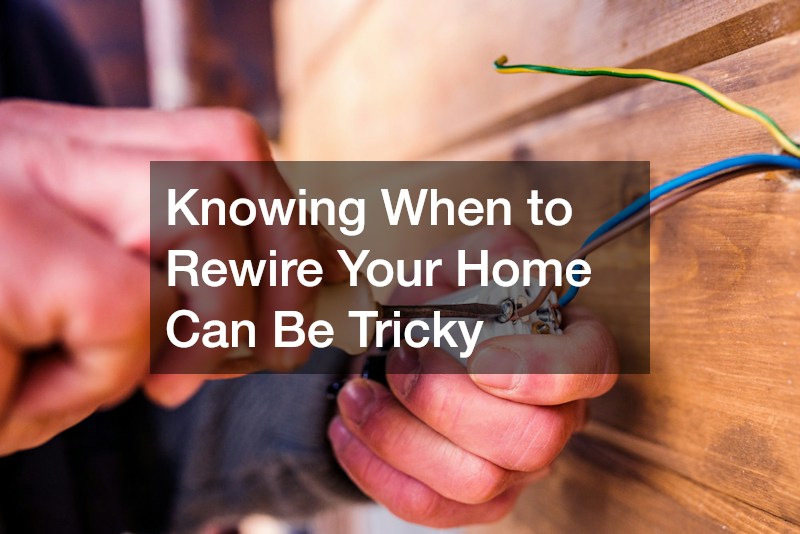
Rewiring your home is a significant undertaking but one that can be crucial for safety, efficiency, and code compliance. Homes with wiring over 30 years old may be at risk due to outdated materials that can’t handle the demands of modern technology. Common indicators for needing a rewire include persistent blowing fuses, flickering lights, and discolored outlets. As electrical standards have evolved, many older systems are no longer adequate, increasing the risk of electrical fires. An assessment from a certified electrician will determine if a full or partial rewire is necessary to protect your home.
A typical sign that rewiring might be necessary is the frequent need to reset breakers or replace fuses. Increased capacity from newer wires enables them to handle higher energy loads without overheating. Rewiring also offers the opportunity to add more outlets, thus improving the convenience and functionality of your living space. It enhances your property’s safety by replacing potentially degraded and hazardous wiring systems. This substantial home improvement project increases not only your safety but also the value of your home, making it a worthwhile investment.
Beyond replacing old and worn-out wiring, rewiring provides an opportunity to upgrade to the latest electrical technologies. Integration of smart home systems requires updated infrastructure to support enhanced functionalities. Implementing these systems can improve energy efficiency and lower utility costs over time. Properly rewired homes also comply with current electrical codes, ensuring legal requirements are met and insurance premiums are kept in line. Consulting with an electrician will help evaluate current needs and future plans to ensure your home is wired correctly for years to come.
Understanding Electrical Installations
Electrical installations go beyond just wiring; they form the backbone of your household’s power needs. A professional electrician is crucial when it comes to installing everything from lighting fixtures to complex home networks. Incorrect wiring during the installation process can lead to dangerous electrical failures, making professional input invaluable at this stage. When planning renovations or upgrades such as adding a home office or new appliances, ensure you consult an experienced electrician to handle installations. This ensures the safety, reliability, and efficiency of the installations within your home.
Successfully managing electrical installations requires an understanding of current codes and regulations that govern safety standards. Projects like adding new circuits or installing power-hungry appliances demand careful consideration of load factors and potential circuit overloads. Using a licensed electrician helps mitigate errors during installation, avoiding potential hazards and future repair costs. Additionally, well-executed installations contribute to a structured, efficient electrical system, maximizing the functionality and lifespan of your household appliances. With proper installations, electrical issues are minimized, and your home’s energy management stays in balance.
Future-proofing your home is an essential aspect of planning new electrical installations. As technology evolves, so too do the energy needs of modern homes, making it essential to plan for scalability. Considerations for future home automation systems or renewable energy sources, like solar panels, should be integrated during the installation phase. A professional electrician can advise on flexible installation solutions that meet current needs while accommodating future technological advances. This proactive approach ensures your home remains functional, safe, and environmentally friendly as demands grow and technologies advance.
Professionals bring a wealth of knowledge and expertise in ensuring the safety and functionality of your home’s electrical system. Always call a certified electrician to handle issues beyond your understanding for safety and peace of mind. Regular maintenance and timely updates can prevent minor issues from becoming major problems, safeguarding your home’s value and your family’s safety. Knowing when to enlist expert help is crucial in managing a reliable and efficient electrical system. By being proactive and knowledgeable about your home’s electrical needs, you can confidently maintain a secure and comfortable living environment.