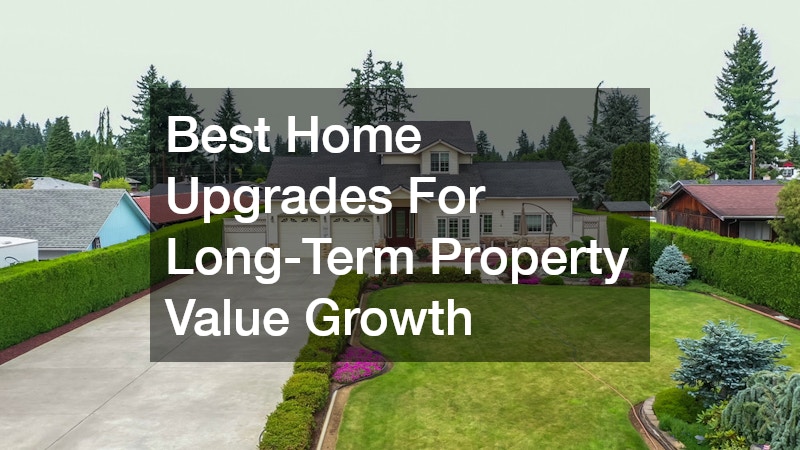
Increasing property value requires more than quick cosmetic updates or temporary design trends. Homeowners who want long-term appreciation should focus on improvements that enhance functionality, durability, efficiency, and overall livability. Strategic upgrades not only improve daily comfort but also make a property more attractive to future buyers.
The most successful renovations are those that balance aesthetics with practical benefits. Buyers consistently prioritize homes with updated kitchens, modern bathrooms, efficient systems, usable outdoor spaces, and well-maintained structural features. Investments that reduce maintenance costs and improve energy efficiency often provide lasting returns for years after installation.
A thoughtful upgrade strategy also prevents unnecessary spending. Instead of chasing trends, homeowners can focus on improvements that continue to perform well over time. Careful planning, quality craftsmanship, and durable materials all contribute to stronger property appreciation and better long-term outcomes.
Evaluate Your Home Before Starting Any Major Upgrade
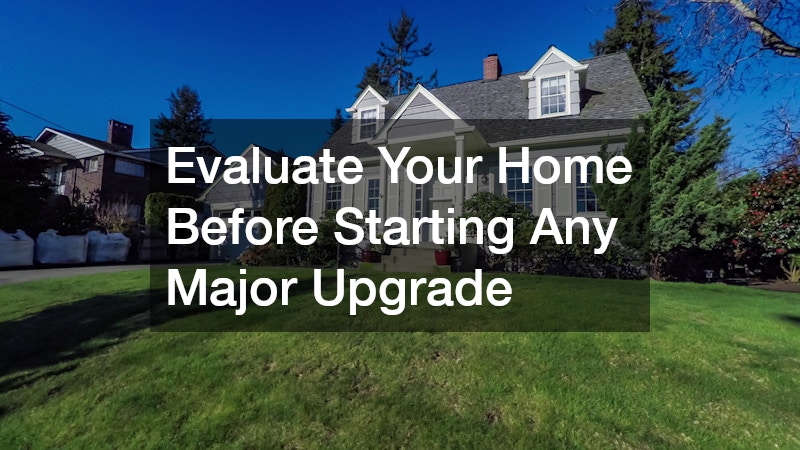
Before beginning any renovation project, homeowners should evaluate which areas of the property offer the greatest opportunity for improvement. Some upgrades deliver substantial value increases, while others offer limited return despite high costs.
A professional assessment can help prioritize projects that improve both functionality and resale appeal. In many cases, the most valuable upgrades are those that solve existing problems while modernizing the property for future use.
Working with a luxury home builder can help homeowners identify improvements that align with long-term market expectations. These professionals often understand which features buyers consistently prioritize and which upgrades provide lasting value rather than short-term visual impact.
Important areas to assess include:
- Structural condition
- Roof age and quality
- Window efficiency
- Plumbing and electrical systems
- Storage limitations
- Outdated layouts
- Exterior appearance
- Energy performance
Homeowners should also evaluate how well the home supports changing lifestyle needs. Flexible layouts, accessible features, and efficient systems tend to age better than heavily customized designs.
When planning upgrades, it is helpful to divide projects into categories:
High-Return Improvements
- Kitchen updates
- Bathroom modernization
- Energy-efficient windows
- Exterior improvements
- Outdoor living spaces
Functional Improvements
- Storage additions
- Layout optimization
- Lighting upgrades
- Water management systems
- HVAC modernization
Long-Term Protective Improvements
- Roofing replacement
- Foundation repairs
- Drainage solutions
- Moisture prevention
- Structural reinforcement
Careful planning reduces the likelihood of costly mistakes later. Homeowners who begin renovations without a clear strategy often encounter delays, inconsistent design choices, and budget overruns.
Upgrade Kitchens With Durable, Timeless Features
The kitchen remains one of the most influential spaces when it comes to property value. Buyers often evaluate kitchens as a reflection of the overall condition and functionality of a home. An outdated or poorly designed kitchen can significantly reduce buyer interest, even if other areas of the property are updated.
A skilled home remodeler can help create a kitchen layout that improves workflow, storage, and long-term usability. The goal should not be to follow short-lived design trends but to create a functional, attractive space that performs well for years.
Several kitchen improvements consistently support long-term value growth:
Improve Storage Capacity
Modern buyers value organized storage solutions that reduce clutter and improve efficiency. Consider:
- Deep drawers for cookware
- Pull-out pantry shelving
- Built-in recycling storage
- Vertical cabinet organization
- Appliance garages
- Multi-functional islands
Choose Durable Materials
Materials should withstand years of use without requiring constant maintenance.
Strong long-term options include:
- Quartz countertops
- Hardwood or luxury vinyl flooring
- Solid wood cabinetry
- Ceramic tile backsplashes
- Stainless steel appliances
Improve Lighting
Layered lighting improves both functionality and visual appeal.
Important lighting upgrades include:
- Under-cabinet task lighting
- Pendant fixtures over islands
- Recessed ceiling lighting
- Dimmable switches
- Natural light enhancement
Focus on Layout Efficiency
Open pathways and logical work zones make kitchens more practical for daily use. Common improvements include:
- Expanding prep space
- Increasing countertop access
- Improving appliance placement
- Creating better traffic flow
- Connecting indoor and outdoor entertainment areas
Energy-efficient appliances also contribute to long-term value because buyers increasingly prioritize reduced utility costs.
Avoid highly personalized finishes that may quickly become outdated. Neutral palettes and timeless materials generally attract broader buyer interest over time.
Modernize Bathrooms to Improve Everyday Comfort
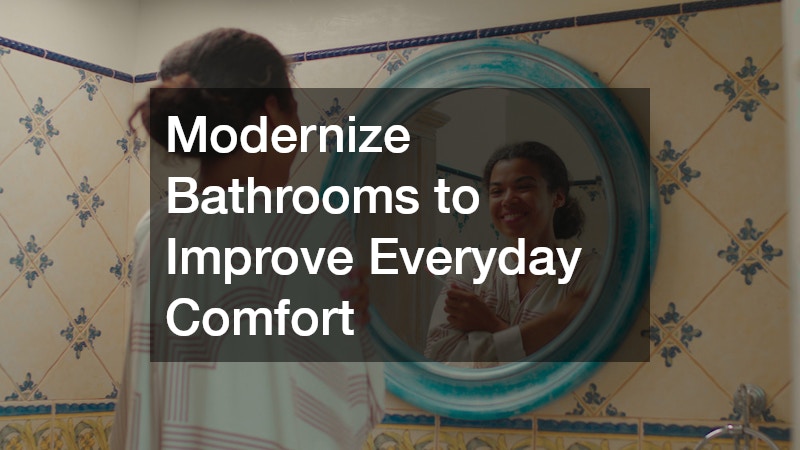
Bathrooms play a major role in perceived home quality. Older bathrooms with outdated fixtures, poor lighting, or limited accessibility can negatively affect resale value even when the rest of the home is updated.
One of the most practical improvements homeowners can make is walk-in shower installation. Walk-in showers improve accessibility, simplify maintenance, and create a more modern appearance. They also appeal to buyers planning for aging-in-place living arrangements.
A house renovation contractor can help ensure bathroom upgrades address both aesthetic and structural concerns, including ventilation, plumbing efficiency, and moisture management.
Several bathroom improvements consistently provide strong long-term returns.
Improve Accessibility
Features that improve comfort and accessibility appeal to a wide range of homeowners.
Examples include:
- Curbless shower entry
- Wider doorways
- Slip-resistant flooring
- Comfort-height toilets
- Grab bar reinforcement behind walls
- Easy-to-reach storage
Upgrade Ventilation
Proper ventilation reduces moisture damage and extends material lifespan.
Important ventilation improvements include:
- Quiet exhaust fans
- Humidity sensors
- Mold-resistant drywall
- Waterproof sealing systems
Use Water-Resistant Materials
Bathrooms experience heavy moisture exposure, making durability essential.
Long-lasting materials include:
- Porcelain tile
- Quartz counters
- Waterproof vinyl flooring
- Mold-resistant paint
- Frameless glass enclosures
Increase Storage
Functional storage improves daily usability.
Consider:
- Built-in shelving
- Vanity drawer organizers
- Recessed medicine cabinets
- Linen storage towers
- Hidden storage niches
Lighting also significantly impacts bathroom appeal. Combining task lighting, ambient lighting, and natural light creates a more inviting and practical environment.
Homeowners should prioritize upgrades that improve long-term functionality rather than luxury features with limited practical value.
Expand Outdoor Living Areas for Year-Round Enjoyment
Outdoor living spaces have become one of the most desirable home features in many markets. Buyers increasingly view exterior areas as extensions of the home’s usable square footage.
Professional deck builders can help homeowners create outdoor spaces that improve entertainment potential while increasing property functionality. Well-designed decks often serve as gathering spaces for dining, relaxation, and family activities.
A residential awning can further improve outdoor usability by providing shade and weather protection. Covered outdoor areas often feel more comfortable throughout the year and may even reduce indoor cooling costs by limiting direct sunlight exposure.
Several outdoor improvements consistently support long-term property appreciation.
Create Defined Activity Zones
Effective outdoor layouts separate spaces based on function.
Examples include:
- Dining areas
- Cooking stations
- Fire pit seating
- Lounge spaces
- Garden pathways
- Play areas
Use Weather-Resistant Materials
Outdoor surfaces should withstand exposure to sun, rain, and seasonal changes.
Durable materials include:
- Composite decking
- Pressure-treated lumber
- Powder-coated metal railings
- Stone pavers
- Weather-resistant fabrics
Improve Lighting and Safety
Outdoor lighting enhances both appearance and security.
Useful upgrades include:
- Path lighting
- Stair lighting
- Motion-activated fixtures
- Landscape accent lighting
- Covered electrical outlets
Increase Privacy
Buyers often value outdoor spaces that feel secluded and comfortable.
Privacy improvements may include:
- Landscaping barriers
- Decorative screens
- Pergolas
- Strategic fencing
- Covered seating areas
Outdoor kitchens, integrated seating, and low-maintenance landscaping can further increase long-term appeal when designed thoughtfully.
Homeowners should focus on creating versatile spaces that support multiple uses rather than overly specialized entertainment features.
Improve Structural Quality and Energy Efficiency
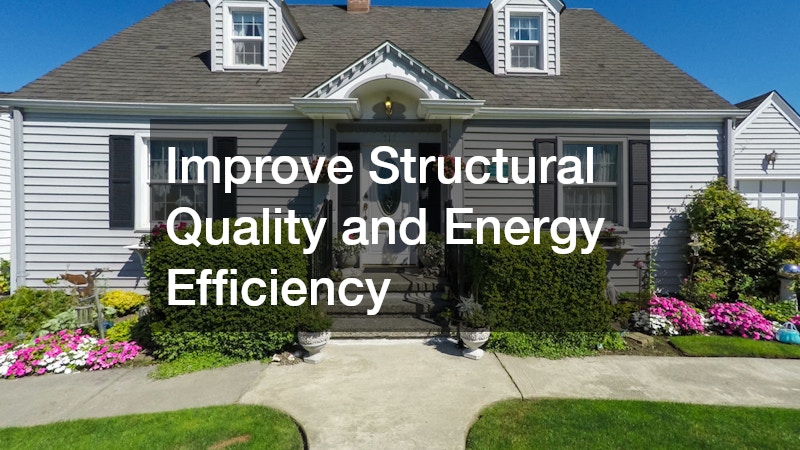
Some of the most valuable home improvements are not immediately visible. Structural integrity and energy efficiency strongly influence long-term ownership costs and buyer confidence.
During major home construction projects, it is essential to prioritize durability and proper installation methods. Cutting corners on structural work may reduce short-term expenses, but it often leads to higher maintenance and repair costs later.
A custom home builder can help homeowners integrate efficient systems and durable construction practices that improve long-term performance while maintaining architectural consistency.
Key areas to address include:
Upgrade Insulation
Improved insulation increases indoor comfort and reduces energy consumption.
Important areas include:
- Attics
- Exterior walls
- Crawl spaces
- Basements
- Garage connections
Replace Outdated Windows
Modern windows improve efficiency, comfort, and noise reduction.
Look for:
- Double or triple-pane glass
- Low-emissivity coatings
- Quality weather sealing
- Durable framing materials
Modernize HVAC Systems
Efficient heating and cooling systems improve both comfort and operating costs.
Valuable upgrades include:
- High-efficiency heat pumps
- Zoned climate systems
- Smart thermostats
- Improved duct sealing
- Air purification systems
Address Water Management
Water damage remains one of the most expensive long-term threats to a property.
Important preventive measures include:
- Foundation drainage improvements
- Gutter replacement
- Proper grading
- Sump pump installation
- Roof maintenance
Improve Electrical and Plumbing Systems
Older systems may create safety concerns and limit future renovation possibilities.
Modernization may involve:
- Panel upgrades
- Pipe replacement
- Surge protection
- Increased outlet capacity
- Smart home integration
Energy-efficient homes often attract stronger buyer interest because they provide lower operating costs and improved long-term reliability.
Increase Functional Living Space
Homes that offer adaptable, functional living spaces often maintain stronger long-term value. Buyers increasingly prioritize flexibility as remote work, multigenerational living, and changing family needs become more common.
Instead of simply increasing square footage, homeowners should focus on improving how space is used.
Valuable space conversion ideas include:
Finish Underused Areas
Unused spaces can become highly functional living areas.
Popular conversions include:
- Basement family rooms
- Home offices
- Guest suites
- Fitness rooms
- Media rooms
- Hobby spaces
Design Flexible Rooms
Rooms that support multiple purposes appeal to more buyers.
Examples include:
- Offices with guest accommodations
- Playrooms that convert into study spaces
- Bonus rooms with storage integration
- Multi-use loft areas
Improve Storage Throughout the Home
Lack of storage negatively impacts functionality.
Long-term improvements may include:
- Built-in shelving
- Mudrooms
- Walk-in closets
- Garage organization systems
- Attic storage solutions
Enhance Natural Light
Well-lit homes often feel larger and more welcoming.
Ways to improve natural light include:
- Enlarged windows
- Skylights
- Glass doors
- Open sightlines
- Reflective interior finishes
Homeowners should avoid creating spaces that are too narrowly specialized. Versatile rooms tend to maintain broader market appeal over time.
Improve Exterior Appearance and First Impressions
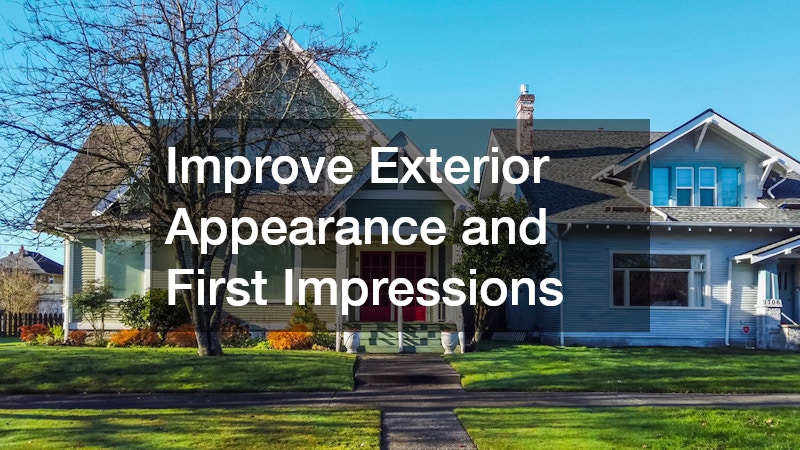
Curb appeal has a significant impact on perceived property value. Exterior improvements often shape a buyer’s first impression before they even enter the home.
A well-designed carport can improve convenience while adding protected parking and storage space. Covered parking areas may also extend vehicle lifespan by reducing weather exposure.
Working with a local picket fence builder can enhance both privacy and visual appeal while helping define outdoor boundaries. Proper fencing may also improve safety for children and pets.
Several exterior improvements consistently support property appreciation.
Refresh Exterior Surfaces
Outdated siding or worn finishes can make a property appear poorly maintained.
Helpful updates include:
- New siding installation
- Exterior painting
- Stone or brick accents
- Trim replacement
- Pressure washing
Upgrade Landscaping
Low-maintenance landscaping improves visual appeal without increasing upkeep demands.
Effective landscaping improvements include:
- Native plants
- Defined walkways
- Mulched garden beds
- Irrigation systems
- Seasonal color variation
Improve Entryways
Entry areas strongly influence buyer perception.
Important upgrades include:
- Modern front doors
- Updated hardware
- Improved lighting
- Covered entrances
- Quality house numbers
Add Functional Exterior Features
Practical exterior additions can improve usability while enhancing appearance.
Examples include:
- Storage sheds
- Covered patios
- Pathway lighting
- Outdoor seating
- Decorative fencing
Consistency is important when improving exterior spaces. Materials, colors, and architectural details should complement the overall style of the property.
Avoid Renovation Mistakes That Reduce Value
Not every renovation increases home value. Some projects create maintenance issues, reduce functionality, or become outdated quickly.
One of the most common mistakes homeowners make is prioritizing trends over durability. Highly customized designs may appeal to a small audience but reduce broader buyer interest.
Common renovation mistakes include:
Choosing Low-Quality Materials
Cheap materials often wear out quickly and create additional repair costs.
Potential problems include:
- Warped flooring
- Peeling finishes
- Cracked countertops
- Weak cabinetry
- Fading exterior materials
Ignoring Layout Flow
Poorly planned renovations may disrupt usability.
Examples include:
- Oversized islands blocking pathways
- Reduced storage
- Awkward room transitions
- Inconsistent flooring
- Overcrowded furniture layouts
Overbuilding for the Neighborhood
Excessively expensive upgrades may not produce strong returns if surrounding homes support lower market values.
Neglecting Permits and Inspections
Unpermitted work may create legal complications and reduce buyer confidence.
Important areas requiring permits often include:
- Electrical work
- Structural modifications
- Plumbing updates
- Additions
- HVAC replacement
Hiring Inexperienced Contractors
Poor workmanship can reduce both appearance and long-term reliability.
Homeowners should:
- Verify licenses
- Check references
- Review previous work
- Confirm insurance coverage
- Request written contracts
Thoughtful planning and quality execution are essential for protecting renovation investments.
Create a Long-Term Upgrade Strategy
Successful home improvement plans are rarely completed all at once. Prioritizing projects strategically allows homeowners to maximize value growth while managing costs effectively.
The most effective approach is to begin with foundational improvements before moving to cosmetic upgrades.
A strong long-term strategy often follows this sequence:
Start With Structural and Mechanical Systems
Address:
- Roofing
- Plumbing
- Electrical systems
- HVAC upgrades
- Drainage issues
Improve Energy Efficiency
Focus on:
- Insulation
- Windows
- Air sealing
- Efficient appliances
- Lighting upgrades
Modernize High-Impact Rooms
Prioritize:
- Kitchens
- Bathrooms
- Primary living areas
- Entryways
Expand Functional Living Areas
Consider:
- Outdoor spaces
- Flexible rooms
- Storage additions
- Covered parking
- Workspace improvements
Finish With Cosmetic Enhancements
Examples include:
- Paint updates
- Landscaping
- Decorative fixtures
- Flooring refreshes
- Accent features
Homeowners should also maintain detailed documentation for completed projects.
Helpful records include:
- Warranties
- Contractor invoices
- Permit approvals
- Product specifications
- Maintenance schedules
Documentation helps demonstrate quality and proper maintenance to future buyers.
It is also important to balance financial returns with lifestyle improvements. Some upgrades may not deliver the highest resale return but can significantly improve long-term comfort and functionality.
Conclusion
Long-term property value growth depends on making thoughtful, durable, and functional improvements rather than chasing temporary design trends. The most valuable upgrades improve daily living while also reducing maintenance costs, increasing efficiency, and enhancing buyer appeal.
Successful renovations typically prioritize kitchens, bathrooms, structural integrity, energy efficiency, outdoor living areas, and curb appeal. Flexible spaces and durable materials also help homes remain competitive as market expectations evolve over time.
Careful planning, quality workmanship, and strategic budgeting all play an important role in maximizing return on investment. Homeowners who focus on long-term usability and reliability are more likely to see lasting appreciation while enjoying a more comfortable and functional home for years to come.