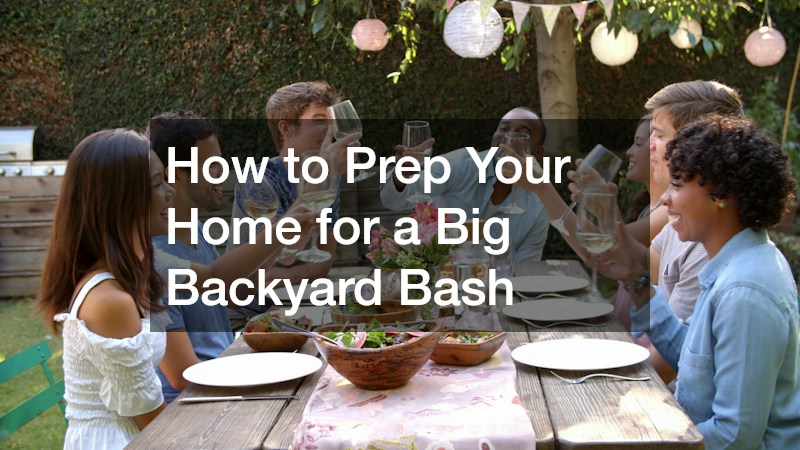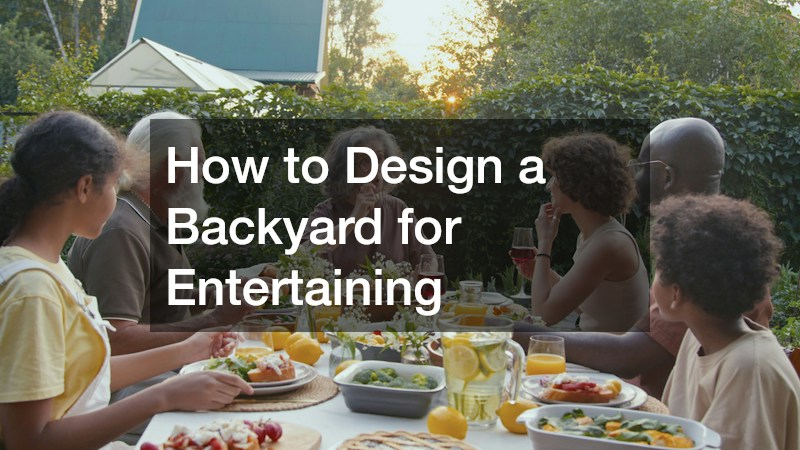
A backyard can be much more than an area surrounding your home. With thoughtful planning, it can become a comfortable place for family meals, weekend gatherings, celebrations, and quiet evenings outdoors. Designing an entertaining space involves considering how people will move through the yard, where they will sit, how much shade and privacy they need, and which features will make spending time outside more enjoyable.
Before making major changes, consider your goals, available space, budget, and long-term maintenance needs. Choosing features that complement one another can create a backyard that feels intentional instead of crowded. With the right combination of gathering areas, privacy features, greenery, and outdoor amenities, your backyard can become an extension of your home’s living space.
Create a Welcoming Landscape for Guests
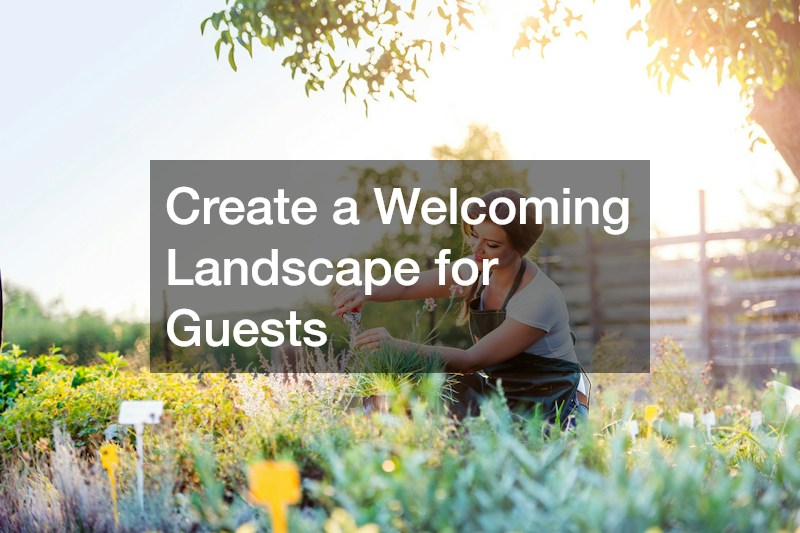
Landscaping establishes the first impression of a backyard and can help create a comfortable setting for entertaining. Plants, lawn areas, garden beds, walkways, and decorative features can work together to make the space feel inviting while guiding guests toward different areas of the property.
Consider how guests will enter and move through the backyard. A clearly defined walkway can connect the back door with a patio, deck, pool area, or other gathering space. Plantings along the path can provide visual interest without creating obstacles. Open areas can give children and guests room to move around, while strategically placed plants can create separation between different activities.
The climate and amount of sunlight in the yard should also influence plant selection. Choosing plants that are appropriate for local growing conditions can make the landscape easier to maintain. Trees and larger shrubs can provide shade, while lower plantings can add texture around patios and walkways.
Professional landscaping installs and maintenance can help homeowners create a cohesive outdoor environment from the initial design through ongoing care. Regular maintenance may include pruning, lawn care, seasonal cleanup, planting, and other tasks that keep the property looking presentable for gatherings.
Lighting is another useful consideration. Path lights, accent lighting, and lighting around seating areas can make the backyard easier to navigate after sunset. Well-placed lighting can also highlight landscape features without making the space feel overly bright.
Choose Materials for Your Outdoor Gathering Areas
Hardscape materials provide structure for patios, walkways, seating areas, fire features, and other parts of an entertaining space. Stone can be particularly useful because it can complement many architectural styles and provide a durable surface for outdoor use.
Before selecting materials, think about how the area will be used. A dining area may benefit from a stable, relatively level surface, while a garden path can incorporate different textures or shapes. The color and texture of the stone should also work with the home’s exterior and other materials used throughout the yard.
The amount of material required is another practical consideration. Larger projects may involve substantial quantities of stone, gravel, or other aggregate materials. Coordinating stone delivery can help ensure that the necessary materials are available when installation begins and may reduce the need to transport smaller quantities repeatedly.
Drainage should be considered during the design process as well. Hard surfaces can change how rainwater moves through a property, so the layout should account for slopes, runoff, and existing drainage patterns. Proper planning can help prevent water from collecting near the house or creating muddy areas around gathering spaces.
Combining different materials can also create visual separation. For example, one stone finish might define a dining area while another material is used for a walkway. Keeping a consistent color palette can help these areas feel connected even when their functions differ.
Add Privacy and Definition to Your Backyard
Privacy can make an outdoor entertaining space more comfortable, particularly when neighboring properties are nearby. Fences can establish boundaries, provide screening, and help define areas within a larger backyard.
When considering a fence, think about the amount of privacy you want, the appearance of the property, local requirements, and how the fence will interact with existing landscaping. A taller privacy fence can create a more enclosed atmosphere, while a lower decorative fence can define the edge of a garden or entertaining area without blocking views.
A fence can also improve the organization of a backyard. It can separate a pool area from other parts of the property, create a designated space for pets, or establish a boundary around a patio. Gates should be positioned where they are convenient for entering and exiting the yard.
Working with a professional fence company can help homeowners evaluate material options and determine an appropriate layout. Professionals can also account for property lines, terrain, gates, posts, and other installation considerations.
Privacy does not always have to come entirely from fencing. Trees, shrubs, trellises, and other landscape features can provide additional screening. Combining natural elements with fencing can create a softer appearance while still providing separation from neighboring properties.
Consider a Classic Look for Your Property
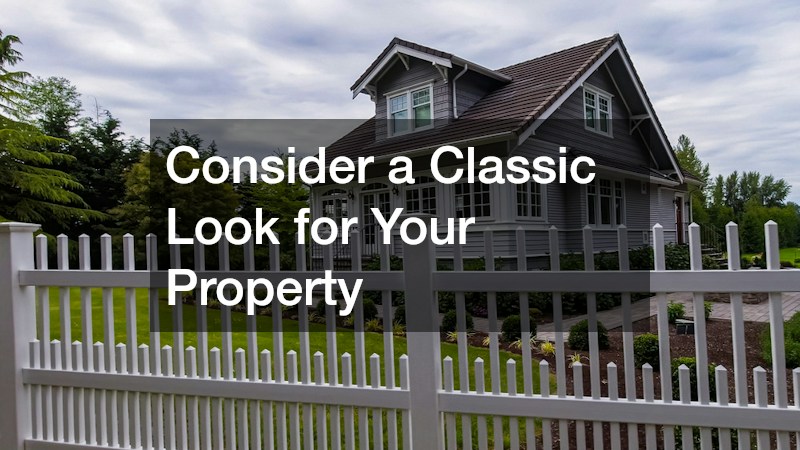
A decorative fence can add character while providing definition around an entertaining space. The right style should complement the home’s architecture and the overall design of the backyard.
Vinyl is one material homeowners may consider when they want a traditional appearance with relatively simple upkeep. Vinyl picket fences can create a classic boundary around gardens, walkways, or portions of a yard without making the property feel completely enclosed.
The height and spacing of the fence can influence how open the backyard feels. Wider spaces between pickets preserve more of the view, while closer spacing can provide greater visual separation. A shorter fence may work well around landscaping, while a taller design can provide more privacy when permitted by local requirements.
Think about how the fence will interact with other backyard features. A white or neutral fence can coordinate with landscaping, patios, decks, and outdoor furniture. Planting flowers or shrubs along the fence can also soften its appearance and create a more established outdoor setting.
Maintenance requirements should be considered before choosing any fencing material. Homeowners who want to spend more time entertaining and less time maintaining their fence may appreciate materials that do not require frequent painting or staining.
Plan a High-End Pool Area for Entertaining
A pool can become the centerpiece of a backyard designed for gatherings. However, the pool itself is only one part of the overall design. Surrounding seating, pathways, lighting, landscaping, storage, and safety features all contribute to how comfortable and functional the area will be.
Start by considering how many people typically use the backyard. A large entertaining area may need ample space around the pool for chairs, tables, and movement. A smaller yard may require a more compact layout that prioritizes the features your household uses most often.
Pool placement also matters. Consider the relationship between the pool, house, outdoor kitchen, dining area, and other destinations. Guests should be able to move between these areas easily without crossing through unnecessary obstacles.
Homeowners pursuing a customized design may work with luxury pool contractors to develop a pool environment that incorporates features suited to the property. Depending on the project, options may include custom shapes, integrated lighting, water features, tanning ledges, spas, or upgraded surrounding materials.
The surrounding landscape should complement the pool rather than compete with it. Plants can provide shade and soften hard edges, while appropriate surfaces can create a cohesive transition between the pool and other entertaining areas.
Choose Features That Fit Your Outdoor Lifestyle
Not every backyard needs the same features. The most useful design is one that reflects how your household actually spends time outdoors. Before selecting major additions, consider whether you prefer hosting large groups, relaxing with family, entertaining overnight guests, or spending quiet evenings outside.
A pool company can help homeowners evaluate different pool designs and features based on the available space and intended use. Some homeowners may prioritize a large swimming area, while others may prefer a smaller pool with additional room for dining and seating.
Outdoor kitchens, fire features, shade structures, outdoor showers, and built-in seating can also contribute to an entertaining space. However, adding too many features can make a backyard feel crowded. It is often more useful to select a few amenities that serve clear purposes.
Consider maintenance as well. Every additional feature can require cleaning, repairs, seasonal care, or other upkeep. A design that looks impressive but requires more maintenance than you want to handle may not provide the experience you are seeking.
Accessibility is another important factor. Walkways should be easy to navigate, and seating should be placed where guests can comfortably reach food, drinks, and other amenities. Planning these details in advance can make gatherings more enjoyable for everyone.
Design a Pool Area for Gatherings and Relaxation
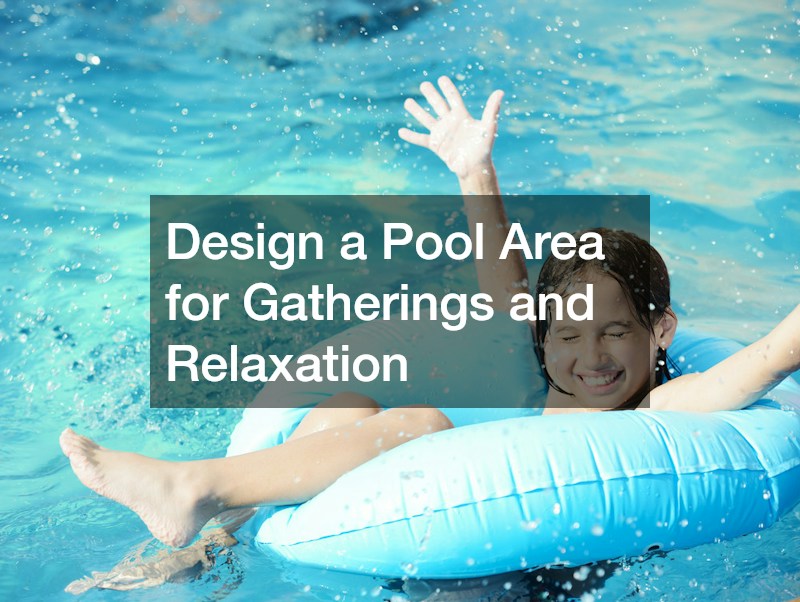
A well-planned pool area can support both active gatherings and quieter moments. Instead of treating the pool as an isolated feature, consider how the surrounding space can accommodate different activities.
For larger gatherings, provide enough room for chairs and tables without placing furniture too close to the water. A nearby dining area can give guests a place to eat, while lounge seating can create a comfortable area for conversation. Shade can also be valuable during sunny afternoons.
The shape and placement of swimming pools can influence the overall flow of the backyard. A rectangular pool may complement a modern design, while a freeform shape may work better with a natural landscape. The available space, property layout, and desired activities should guide the decision.
Lighting can extend the usefulness of a pool area after sunset. Underwater lighting, pathway lighting, and lights around seating areas can make the space more inviting while improving visibility. Safety considerations should remain a priority when planning lighting and other pool features.
Storage should not be overlooked. Designated areas for pool equipment, towels, outdoor games, and furniture can help keep the entertaining space organized. Keeping frequently used items accessible can also make it easier to transition from everyday use to hosting guests.
Add a Comfortable Space for Soaking and Relaxing
A spa can add another dimension to an outdoor entertaining area. Unlike a pool, which often encourages swimming and active recreation, a spa can provide a place to sit, relax, and enjoy the outdoors.
When planning hot tubs, consider both privacy and accessibility. A location near the house may make it easier to use throughout the year, while a more secluded location can create a peaceful retreat. Screening from fencing, trees, or landscaping can provide additional privacy.
The surface surrounding the spa should be slip-resistant and designed to handle regular exposure to water. Adequate space should also be left around the unit for maintenance and access to equipment.
Lighting can make the area more inviting in the evening. Soft illumination around nearby pathways and seating can help guests move safely without creating excessive glare.
A spa can also be incorporated into a larger pool design. Some homeowners choose to position the spa beside the pool, while others prefer a separate location. The best arrangement depends on the size of the property, desired appearance, and how the outdoor space will be used.
Keep Trees Healthy and Well Maintained
Trees can provide shade, privacy, beauty, and natural structure in a backyard. They can also help make an entertaining space more comfortable during warm weather. However, trees require appropriate care to remain healthy and safe.
Branches that extend over patios, decks, pools, or seating areas should be monitored for damage. Dead or weakened limbs can become a concern during storms or high winds. Trees can also grow into areas where branches interfere with structures, utilities, or other landscape features.
Professional tree service can help homeowners assess tree health and address pruning or removal needs. Proper pruning can improve the structure of a tree and remove certain damaged or problematic branches. Tree professionals can also identify signs of disease, pests, or other conditions that may affect the plant.
Tree placement should be considered when designing a new entertaining area. Mature trees may provide valuable shade, but roots can affect hardscaping, and falling leaves can increase maintenance around pools or patios. Rather than automatically removing established trees, homeowners can often design around them when their condition and location allow.
A balanced approach can preserve the benefits of mature landscaping while keeping the backyard functional. Trees can serve as natural focal points and help connect different parts of the entertaining area.
Create a Comfortable Outdoor Living Area
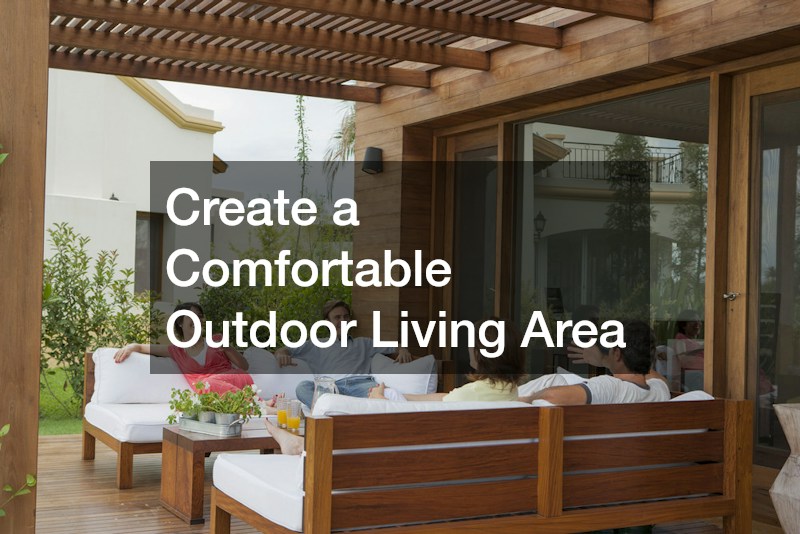
A deck can provide a dedicated place for dining, relaxing, grilling, and entertaining. Because it creates a transition between the home and backyard, its placement can influence how easily people move between indoor and outdoor spaces.
Consider how much space is needed for furniture and movement. A small deck may accommodate a grill and seating, while a larger design can include a dining table, lounge furniture, and separate activity areas. Leave enough room around furniture so guests do not have to navigate through crowded spaces.
Material selection is another important consideration. Different decking materials have different appearances, maintenance requirements, durability characteristics, and costs. Homeowners should compare options based on how they expect to use the space and how much upkeep they are willing to perform.
A deck contractor can help with layout, materials, structural considerations, stairs, railings, and other elements of the project. Professional planning can also help ensure the deck works with the existing house and terrain.
Designing a backyard for entertaining involves more than choosing attractive features. The most successful outdoor spaces balance comfort, function, appearance, privacy, and maintenance. Every part of the design should contribute to how the space will actually be used, whether the goal is hosting large gatherings, enjoying family meals, relaxing beside the water, or creating a peaceful place to unwind at the end of the day.
With thoughtful planning, a backyard can become a natural extension of the home. A combination of comfortable gathering areas, attractive landscaping, privacy, durable materials, and carefully selected amenities can create an outdoor setting that is ready for everything from casual family evenings to memorable gatherings with friends.